SJT

Visual Learning Journey: Ayurvedic Toxicology

Explore traditional Ayurvedic knowledge through this comprehensive visual presentation. These 52 educational images are organized into 8 logical groups, creating a structured learning experience similar to a traditional lecture or presentation.

Navigate through each group to understand different aspects of Agada Tantra (Ayurvedic Toxicology) and related traditional knowledge.

1. Foundations of Agada Tantra

Understanding the fundamental principles and historical context of Ayurvedic toxicology
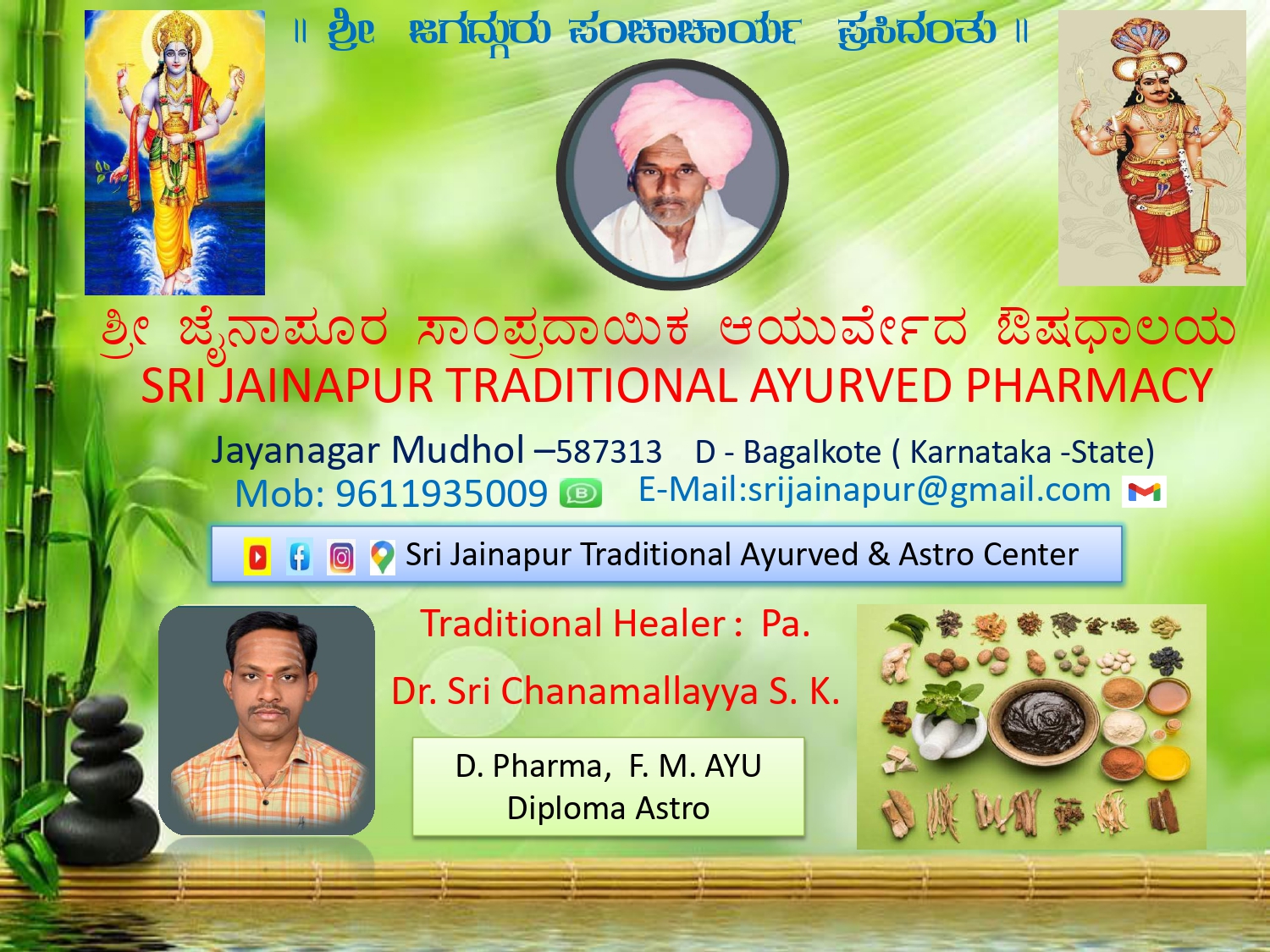
Foundation of Agada Tantra 1
Introduction to Agada Tantra
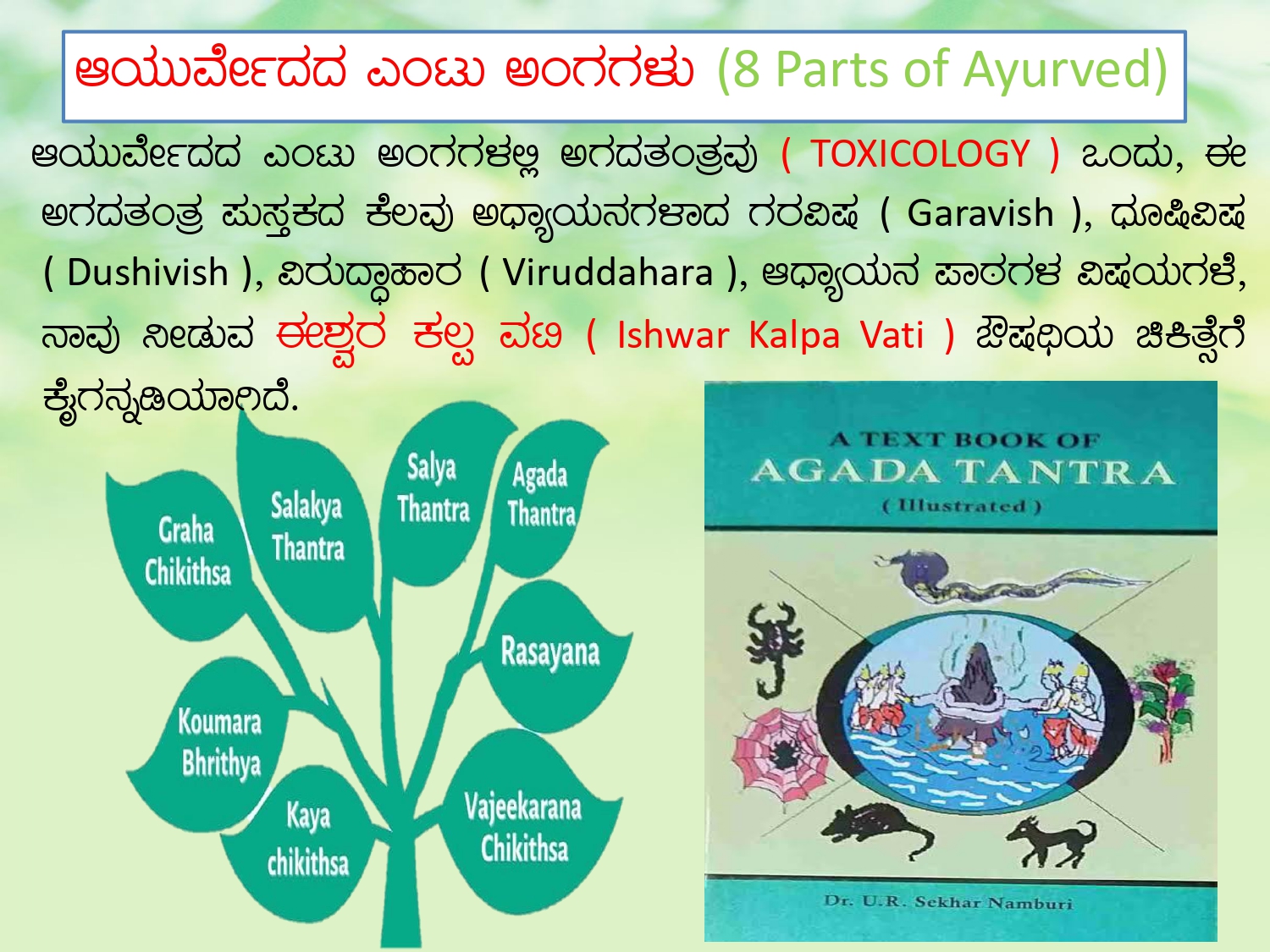
The foundational branch of Ayurveda dedicated to understanding and treating various forms of poisoning, representing one of the eight classical branches of traditional medicine.
Foundation of Agada Tantra 2
Historical Context
Classical texts and traditional knowledge passed down through generations, preserving the wisdom of ancient practitioners who documented their understanding of toxicology.
Foundation of Agada Tantra 3
Classical Text References
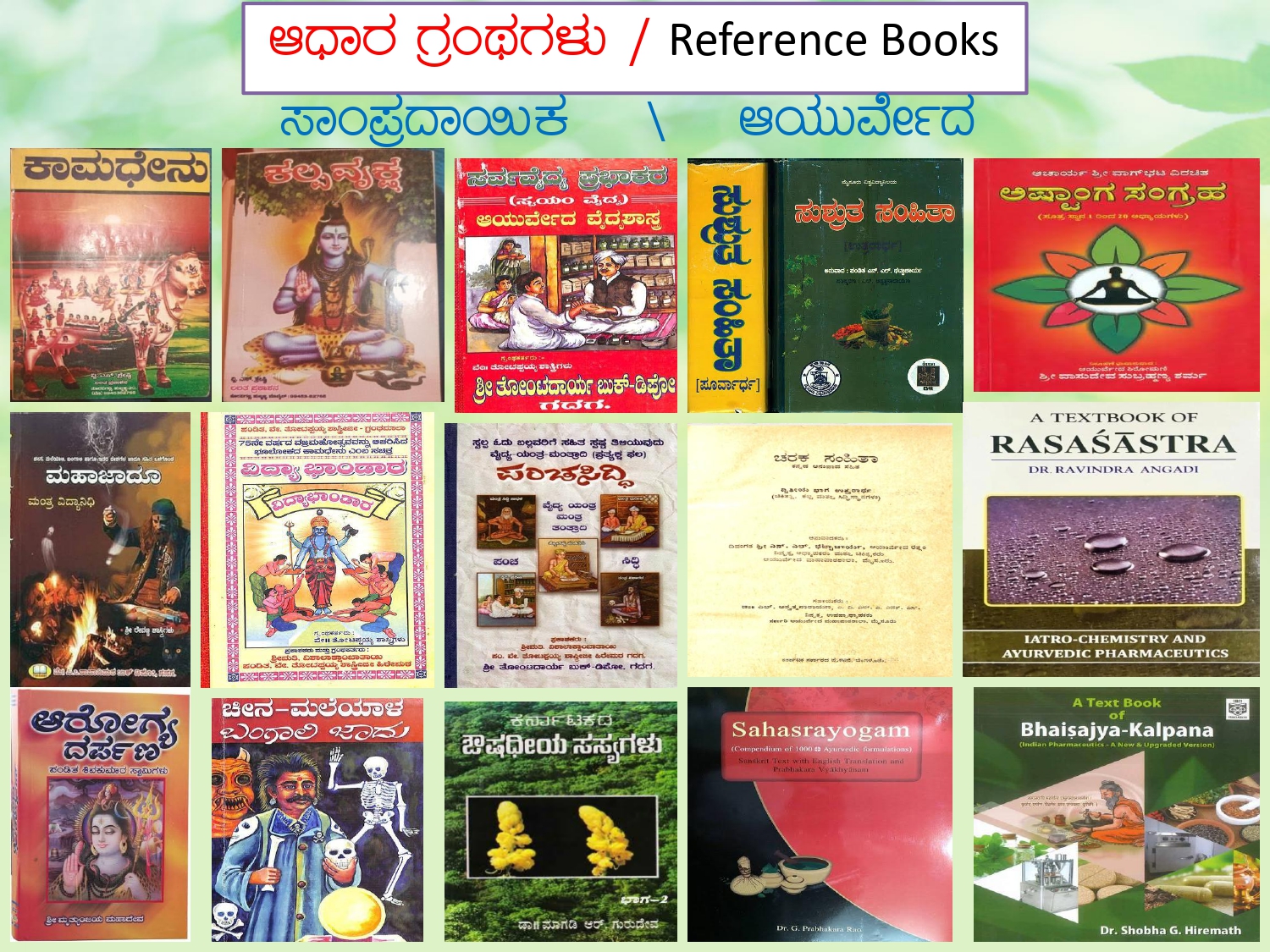
References to foundational Ayurvedic texts including Charaka Samhita, Sushruta Samhita, and other classical works that form the basis of toxicology knowledge.
Foundation of Agada Tantra 4
Traditional Learning Methods
The lineage-based approach to knowledge transmission, where understanding is passed from teacher to student, maintaining the integrity of classical principles.
Foundation of Agada Tantra 5
Eight Branches of Ayurveda
Agada Tantra's place within the complete system of Ayurvedic medicine, showing its relationship to other branches like Kayachikitsa, Shalya Tantra, and Rasayana.
Foundation of Agada Tantra 6
Fundamental Principles
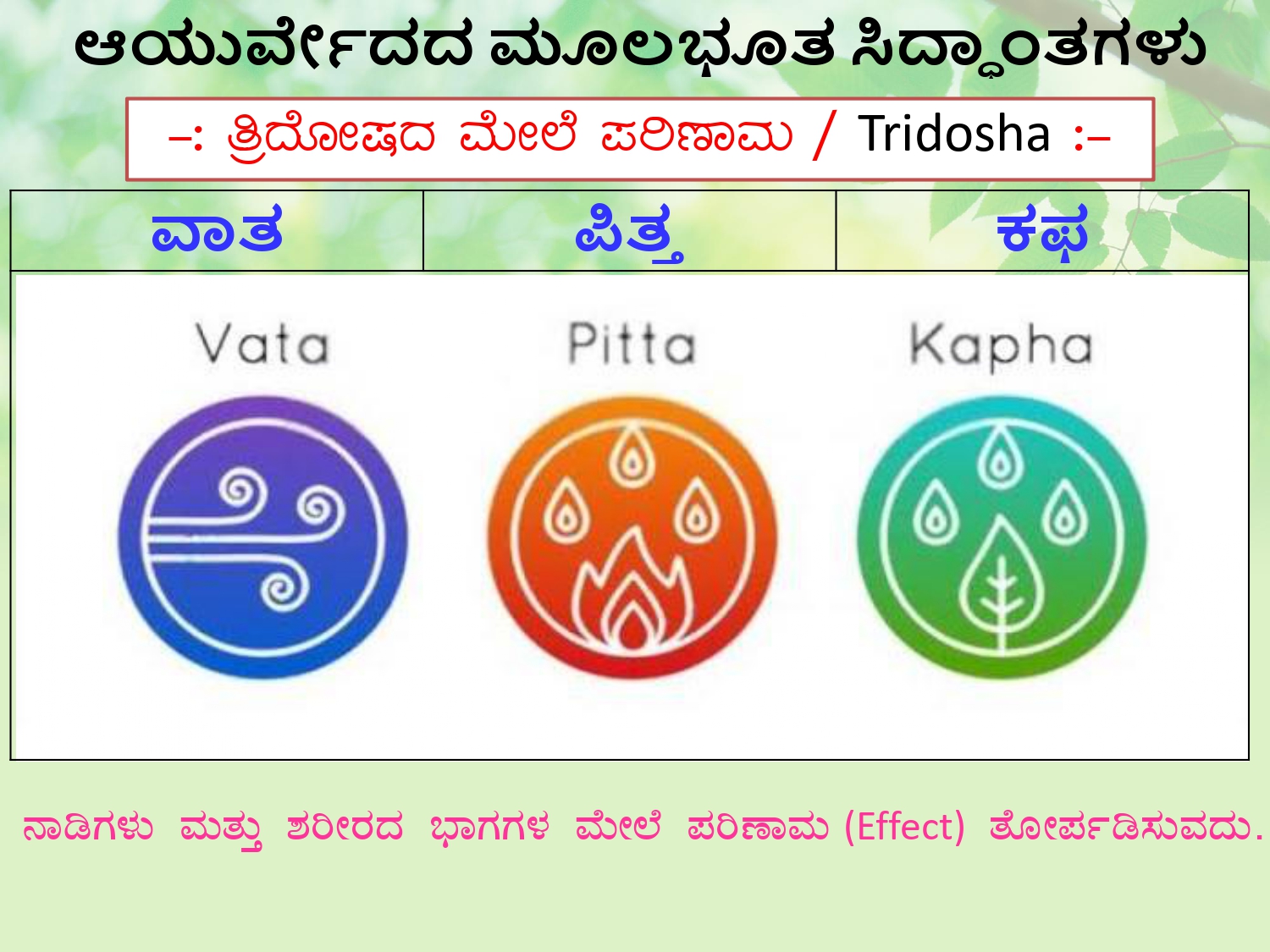
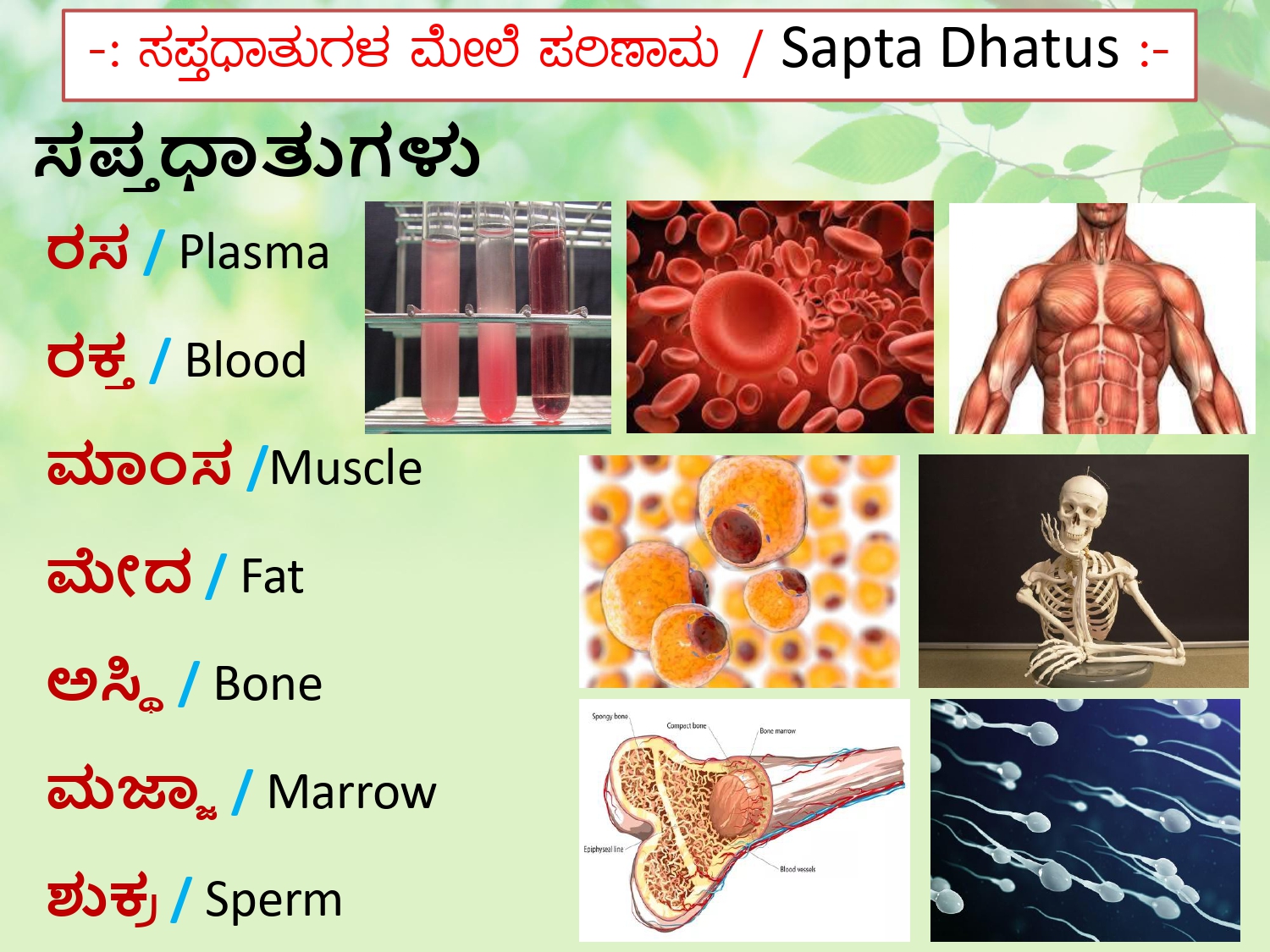
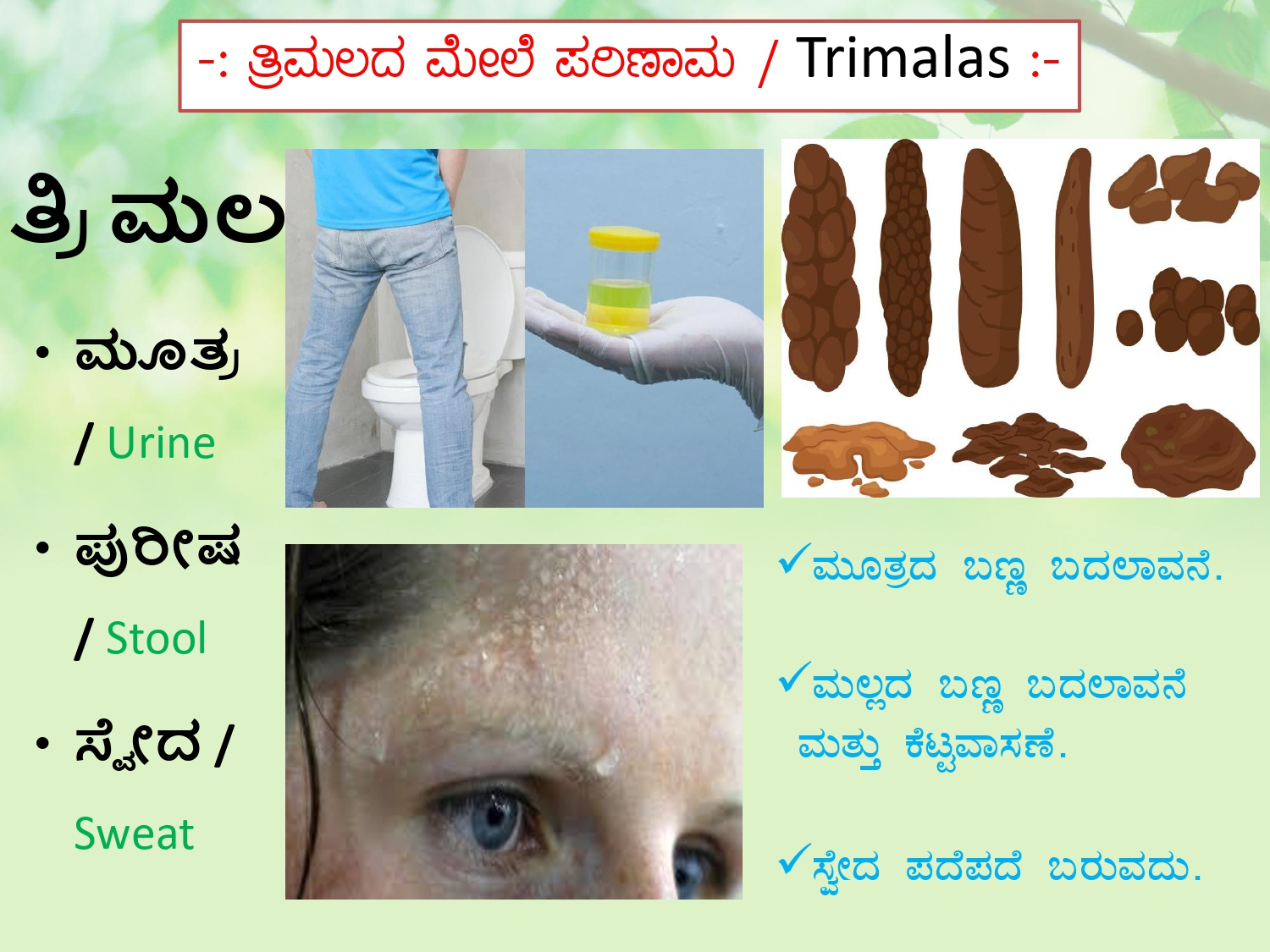
Core concepts including the understanding of Doshas, Dhatus, and Malas in the context of toxicology, and how imbalances lead to disease conditions.
1 / 6

2. Types of Visha (Poisons)

Classification and understanding of different types of poisonous substances
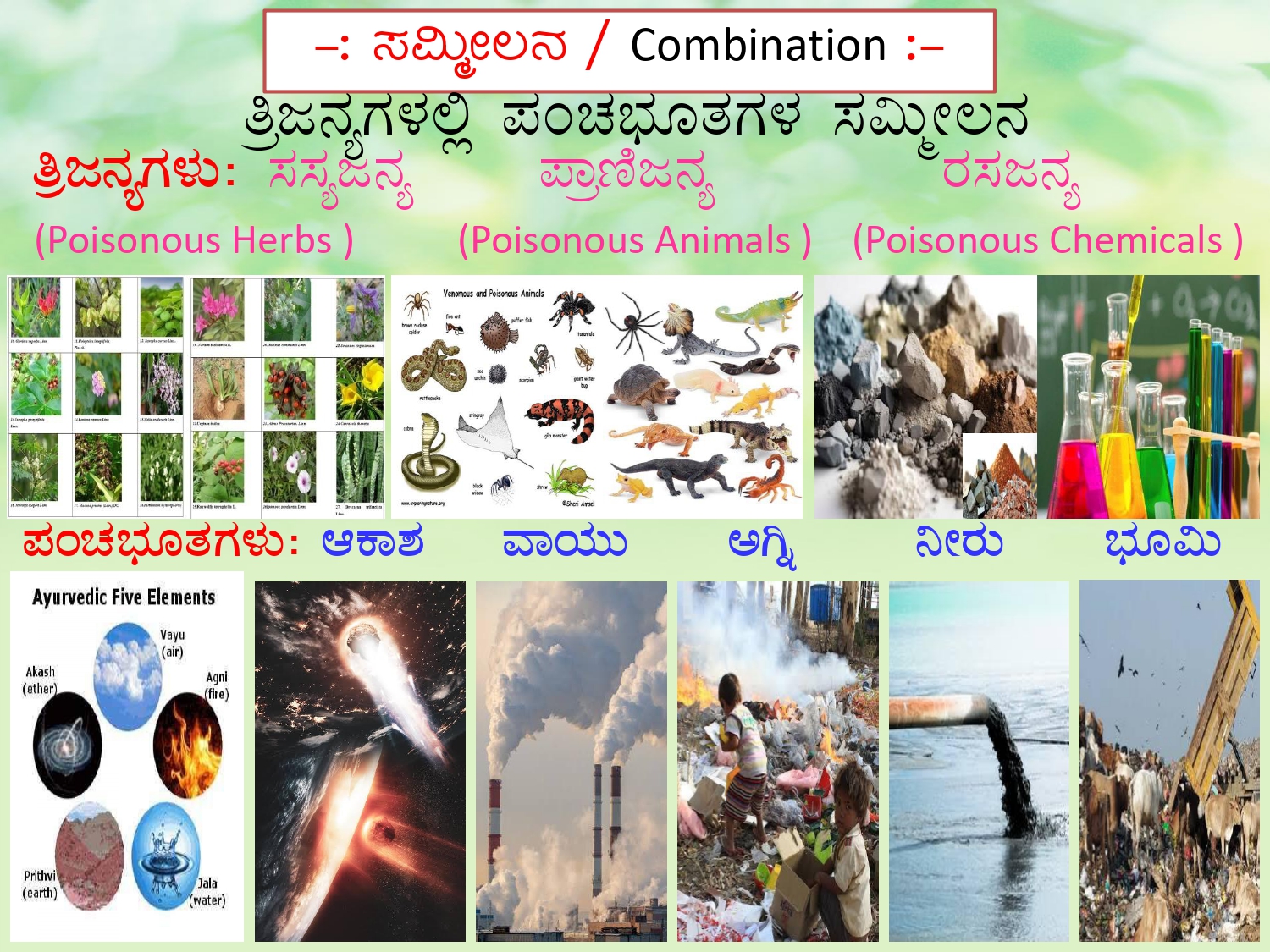
Types of Visha 1
Natural Poisons from Animals
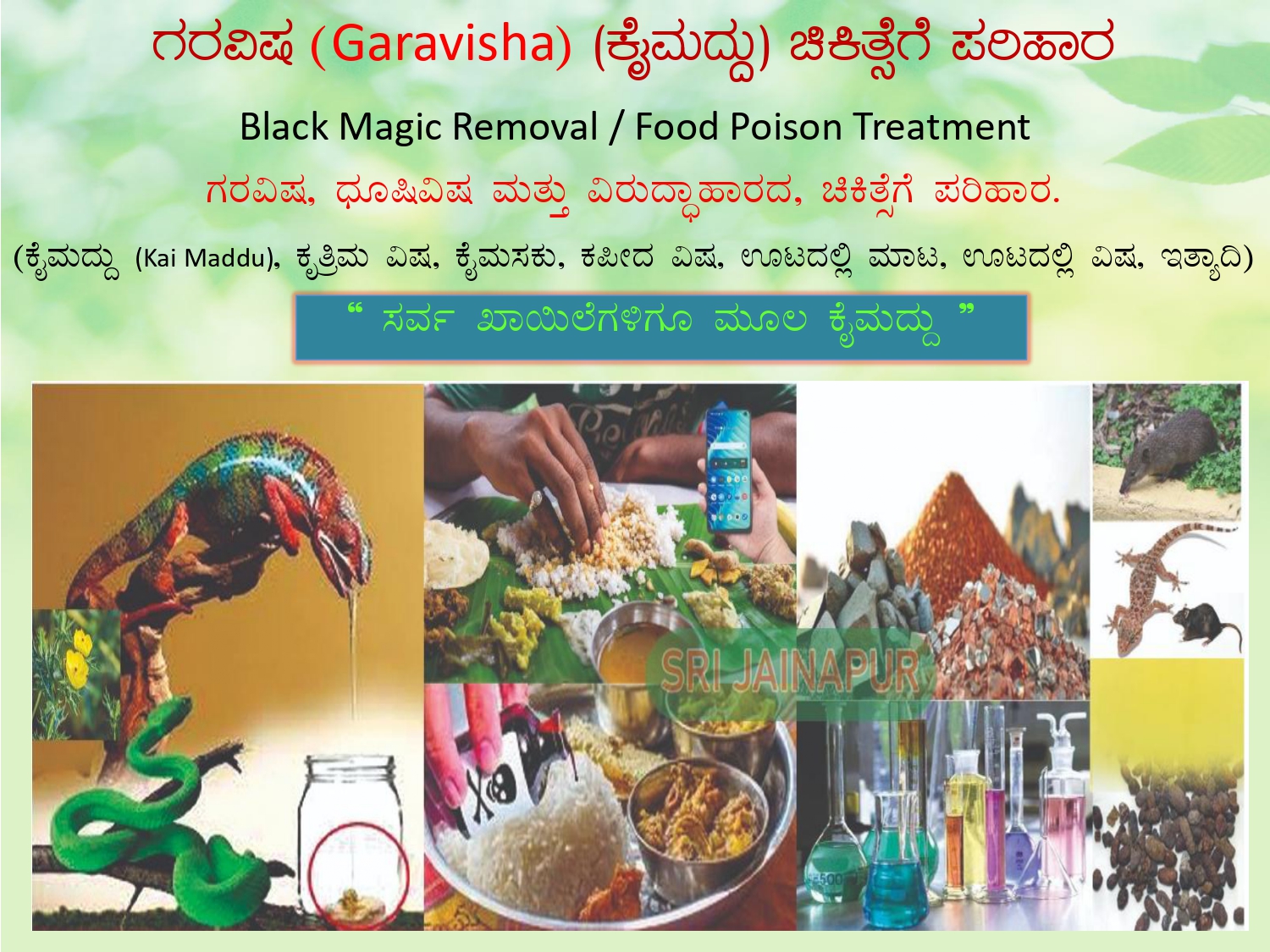
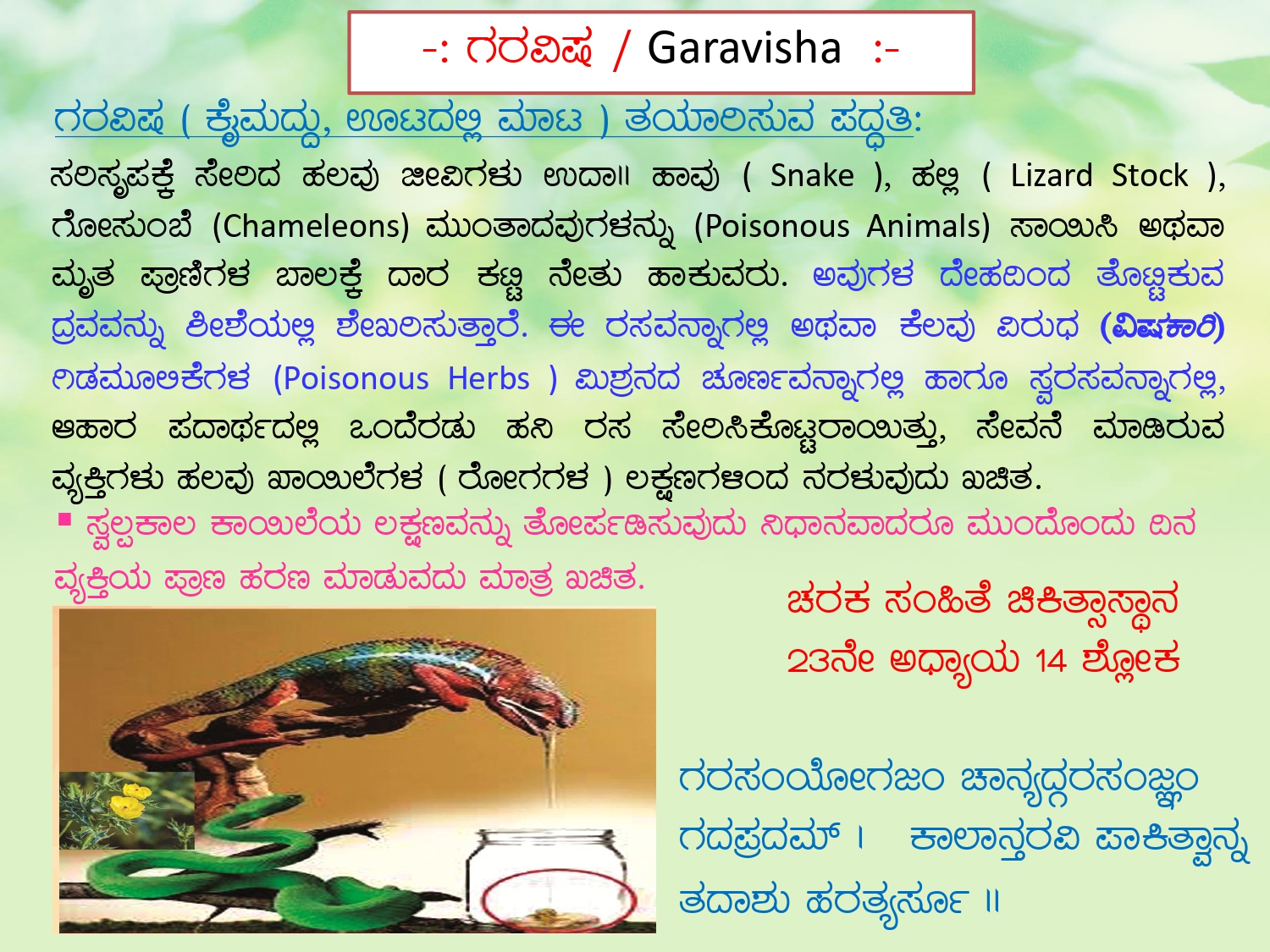
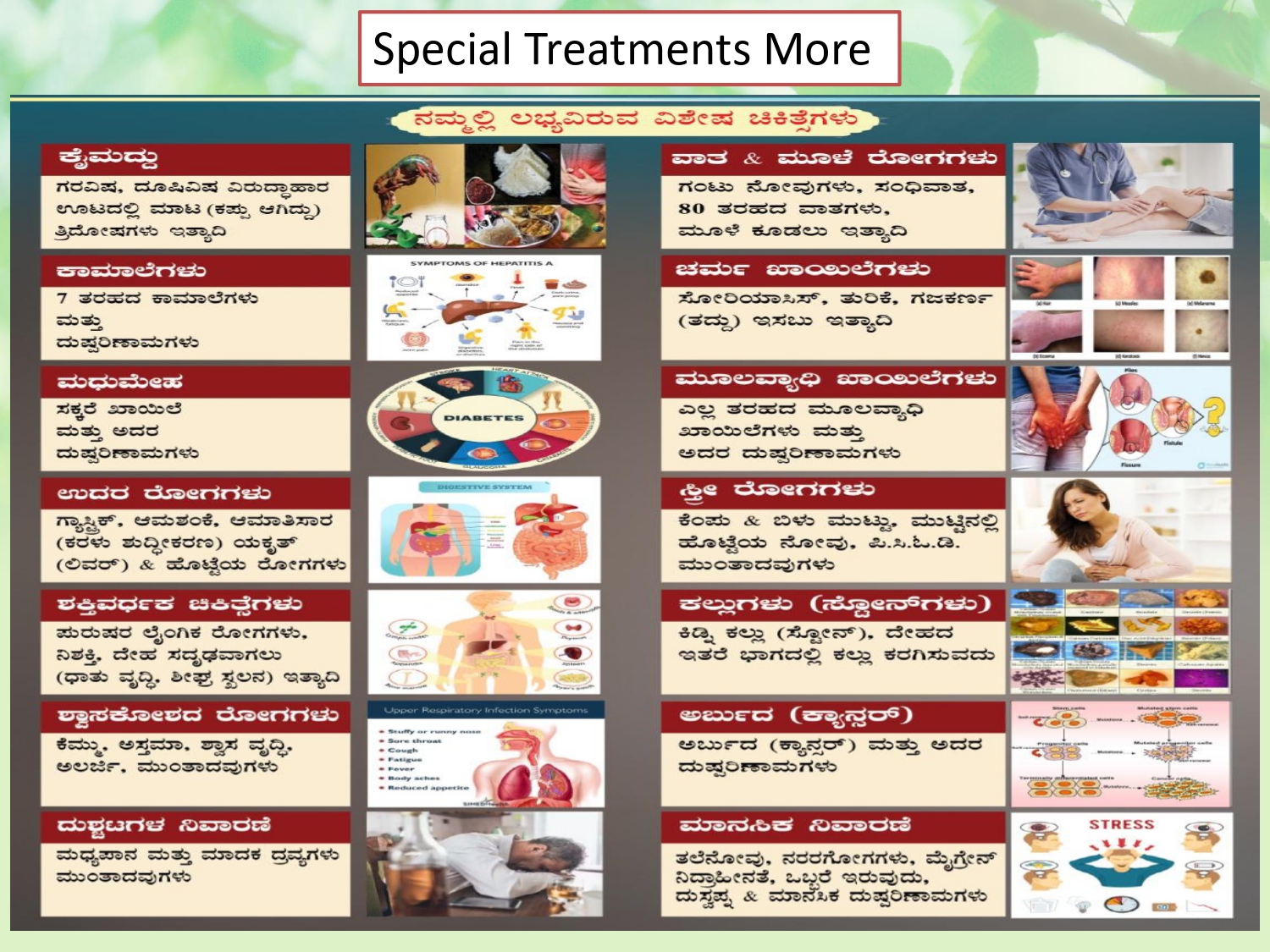
Understanding Garavisha - natural poisons obtained from venomous animals such as snakes, lizards, and other creatures that transmit toxins through bites or secretions.
Types of Visha 2
Plant-Based Poisons
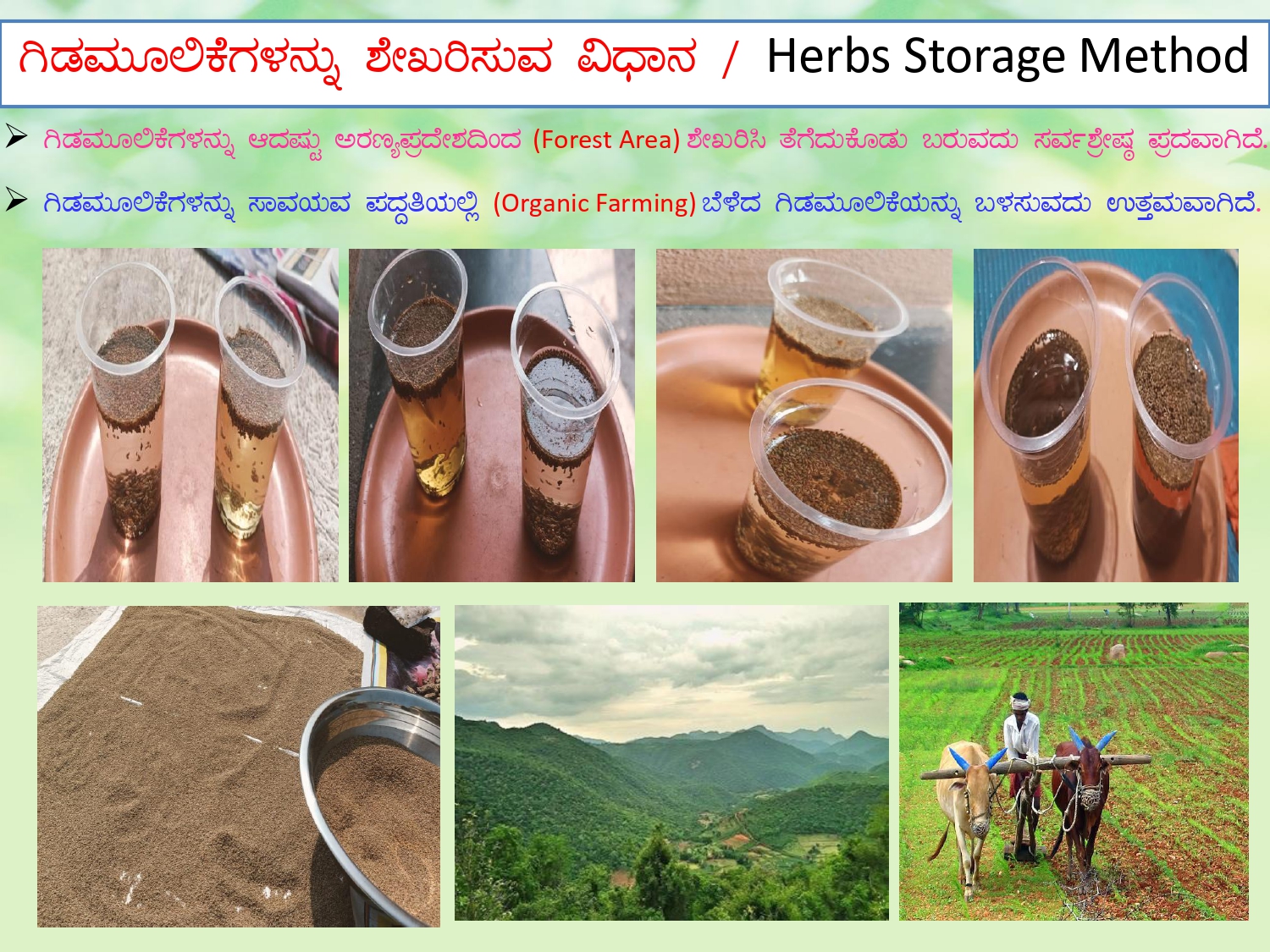
Toxic substances found in certain herbs and plants, and how these natural toxins can be processed and used therapeutically according to traditional methods.
Types of Visha 3
Chemical Poisons
Modern chemical compounds and their classification as Rasaynika Visha, understanding how chemical toxins differ from natural poisons in composition and action.
Types of Visha 4
Contaminated Poisons
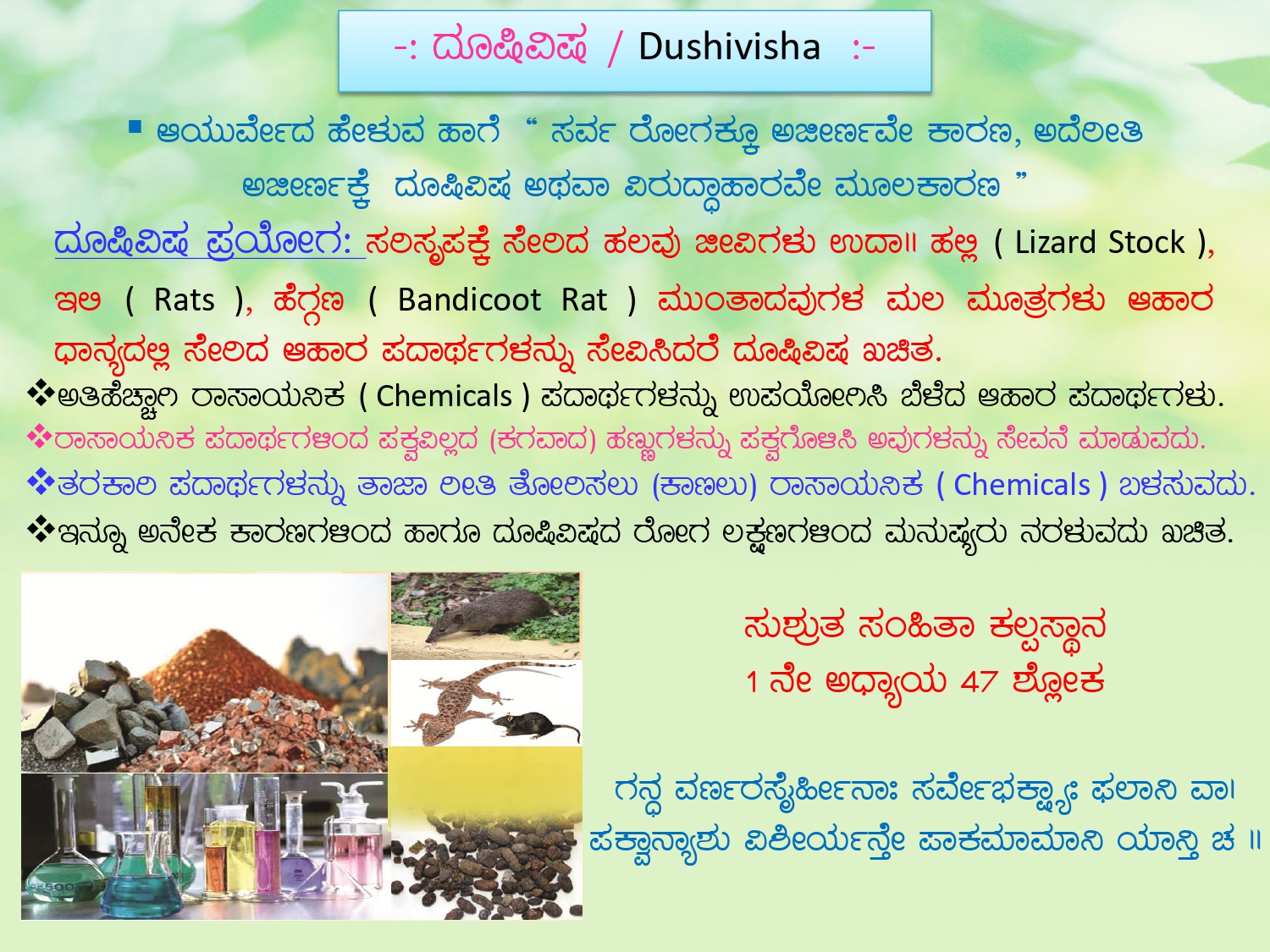
Dushivisha - poisons from contaminated or decomposed sources, including dead poisonous animals and environmental contamination affecting food and water.
Types of Visha 5
Food-Based Poisons
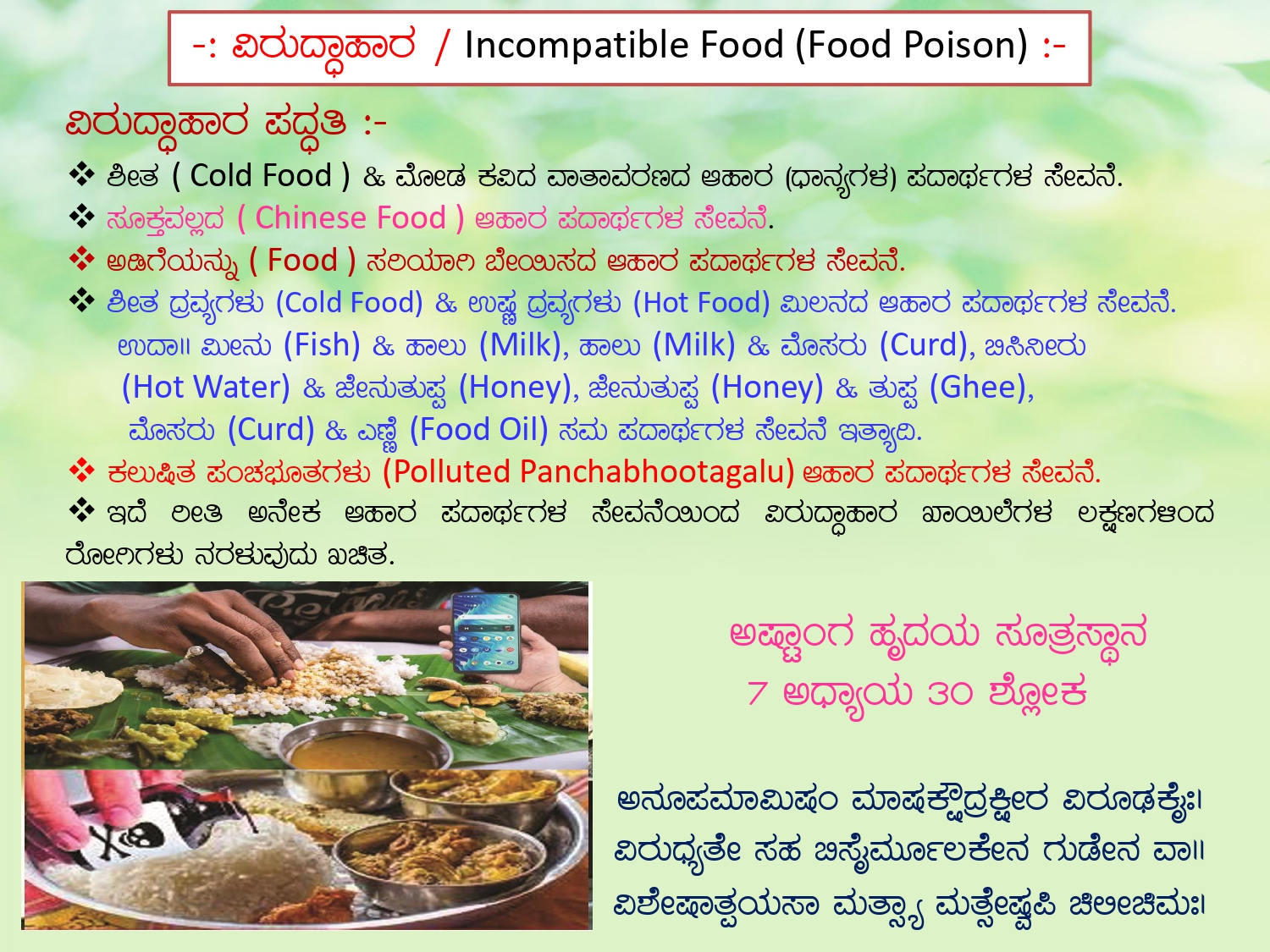
Viruddahara - understanding how incompatible food combinations create toxic compounds in the digestive system, leading to various health complications.
Types of Visha 6
Classification System
The traditional system for categorizing different types of poisons based on source, mode of action, speed of onset, and severity of symptoms they produce.
1 / 6

3. Garavisha vs Dushivisha

Comparative understanding of natural and contaminated poisons
Garavisha vs Dushivisha 1
Garavisha Characteristics
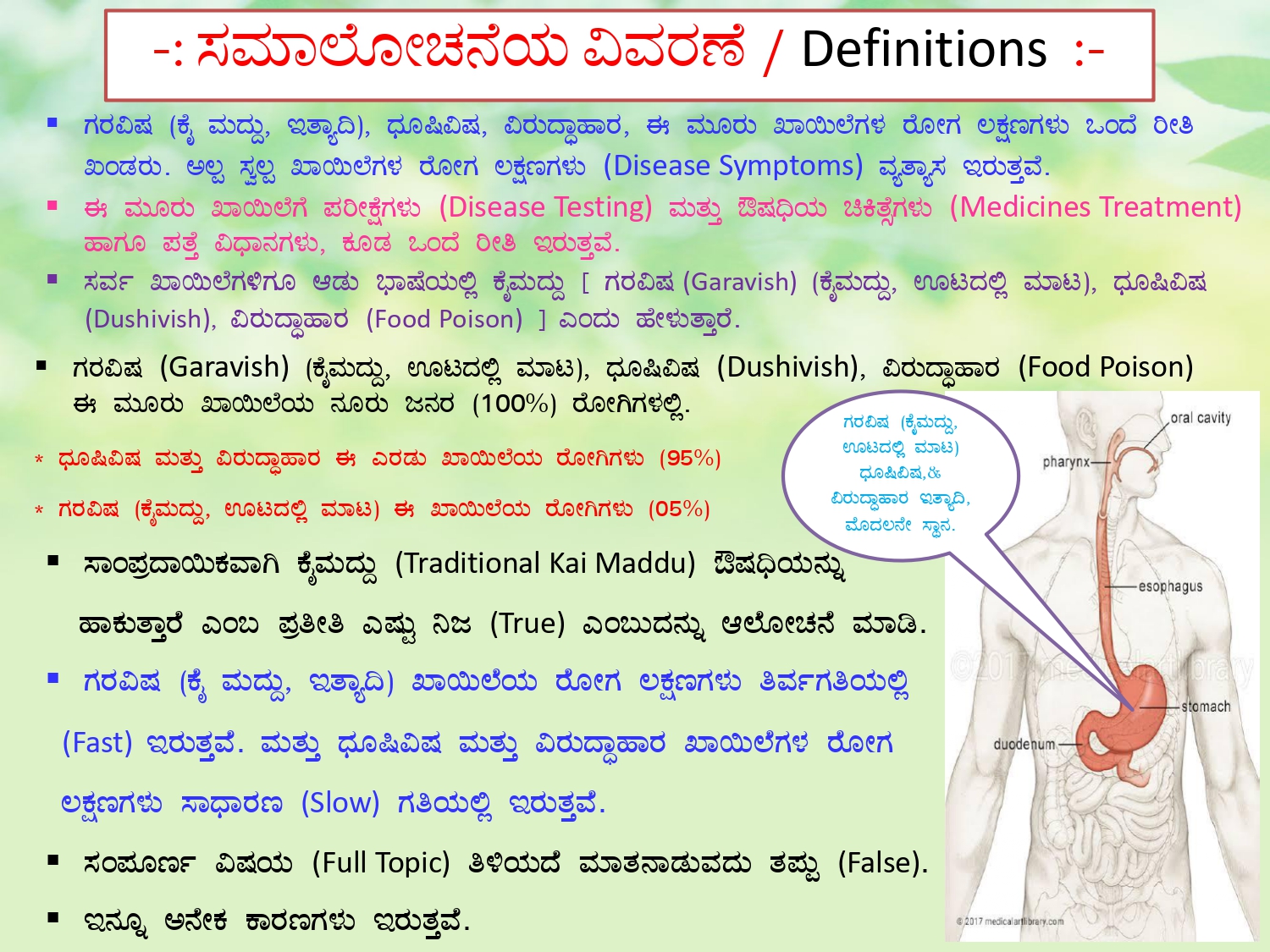
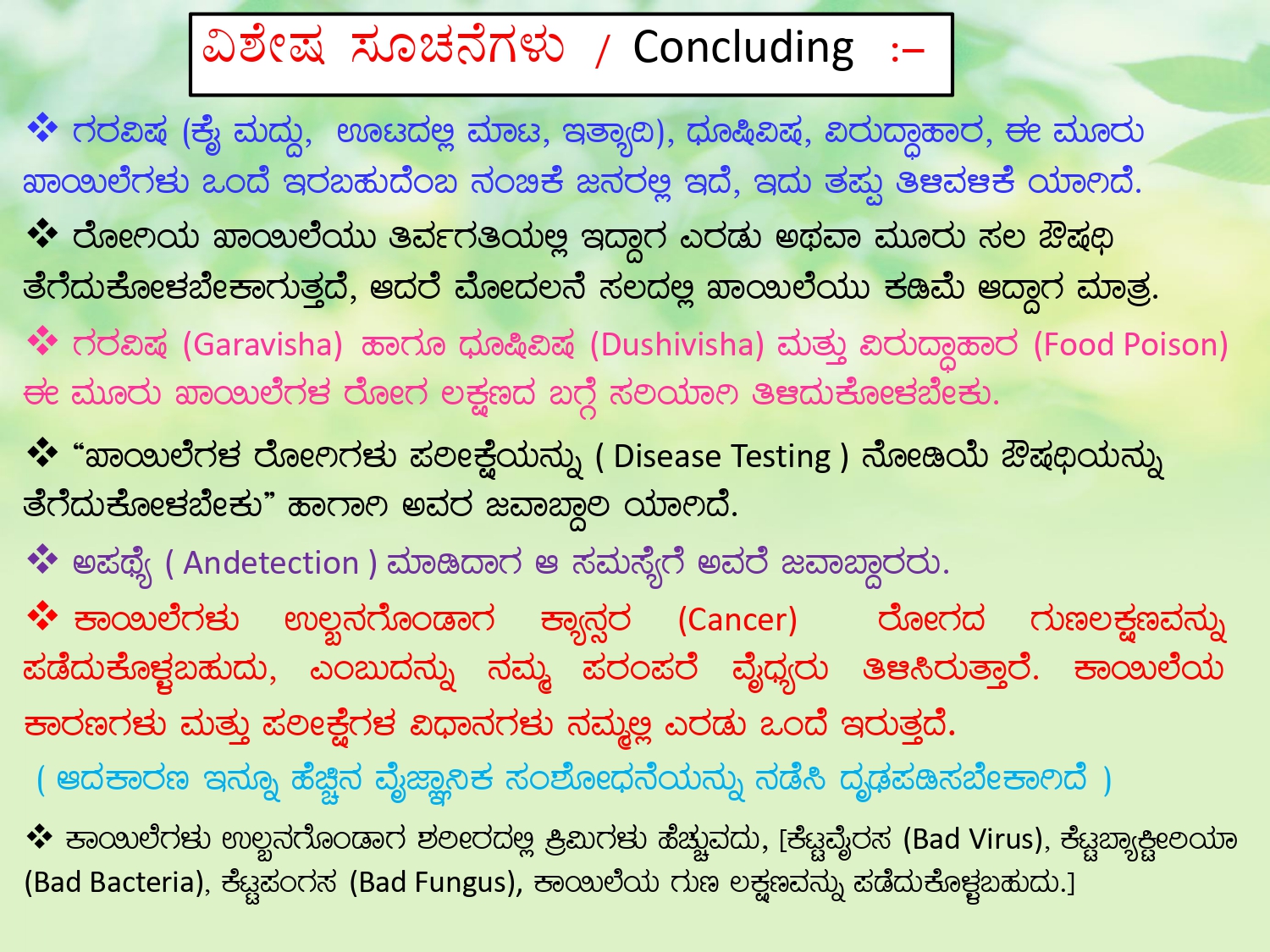
Natural poison from venomous animals with rapid symptom onset, showing 100% manifestation rate when exposure occurs, with quick progression and acute presentation.
Garavisha vs Dushivisha 2
Dushivisha Characteristics
Contaminated poison with gradual symptom onset over days, showing slower progression and chronic development pattern, often from decomposed sources.
Garavisha vs Dushivisha 3
Speed of Onset Comparison
Understanding the critical difference: Garavisha appears rapidly within hours, while Dushivisha develops gradually over days, affecting treatment approach and urgency.
Garavisha vs Dushivisha 4
Source Differences
Garavisha comes from living venomous animals, while Dushivisha originates from contaminated remains, polluted environments, or decomposed poisonous matter.
Garavisha vs Dushivisha 5
Symptom Manifestation
Garavisha shows symptoms in 100% of cases with acute presentation, while Dushivisha combined with Viruddahara shows approximately 95% symptom rate with gradual development.
Garavisha vs Dushivisha 6
Treatment Implications
How the differences between Garavisha and Dushivisha affect treatment protocols, urgency, and long-term management approaches in traditional practice.
1 / 6

4. Diagnostic Signs (Lakshana)

Recognizing symptoms and signs of poisoning conditions
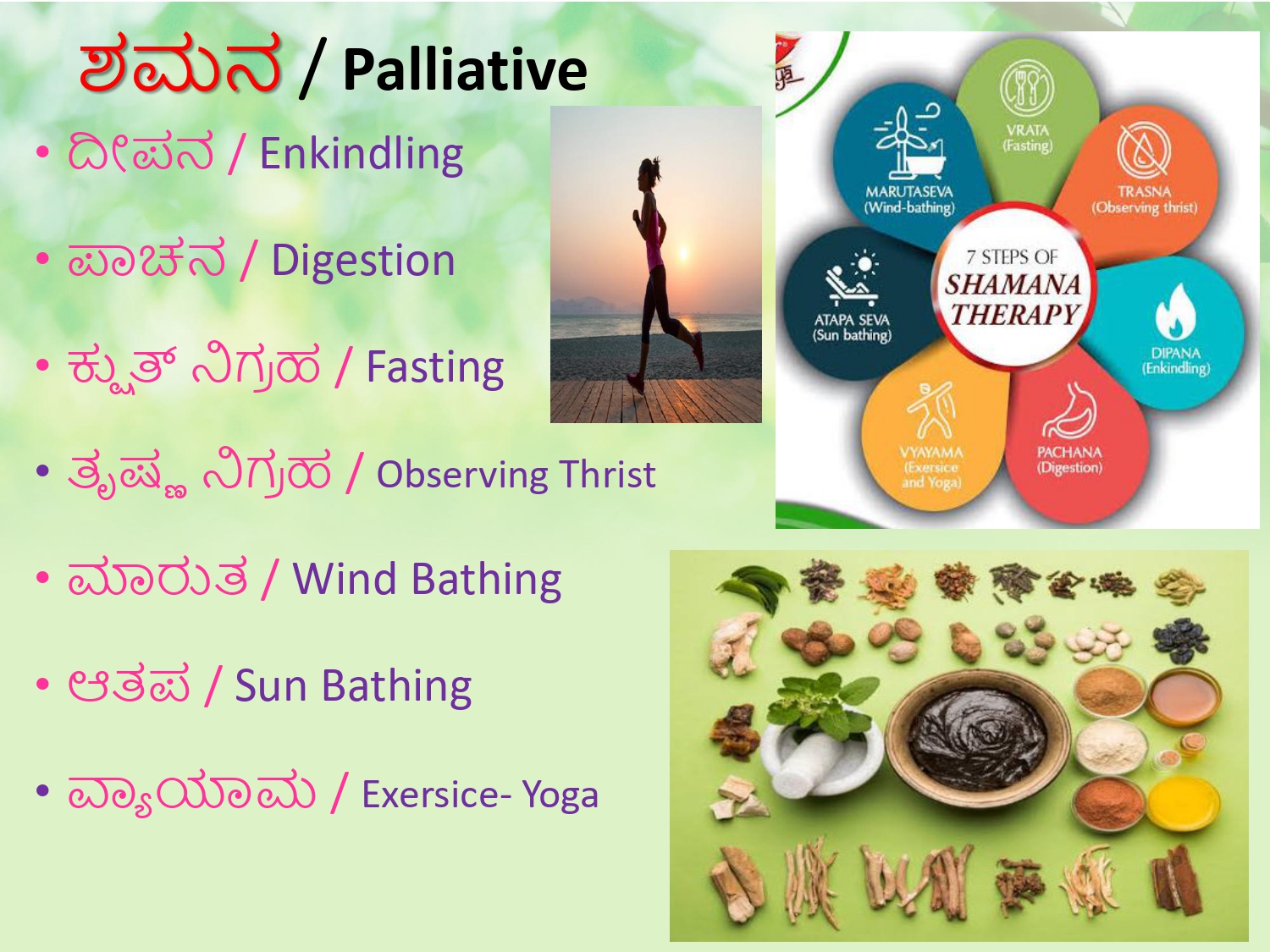
Diagnostic Signs 1
Digestive Symptoms
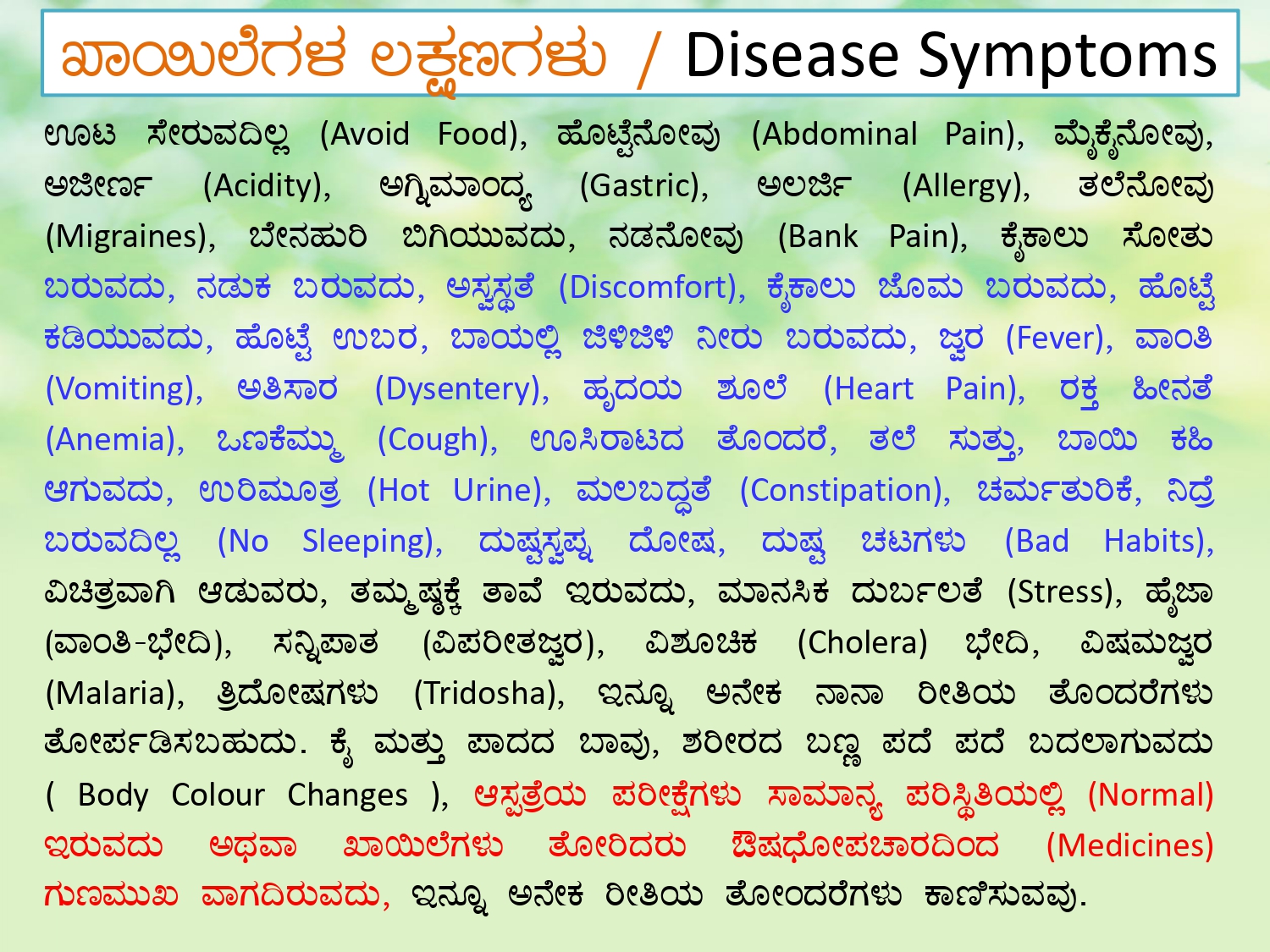
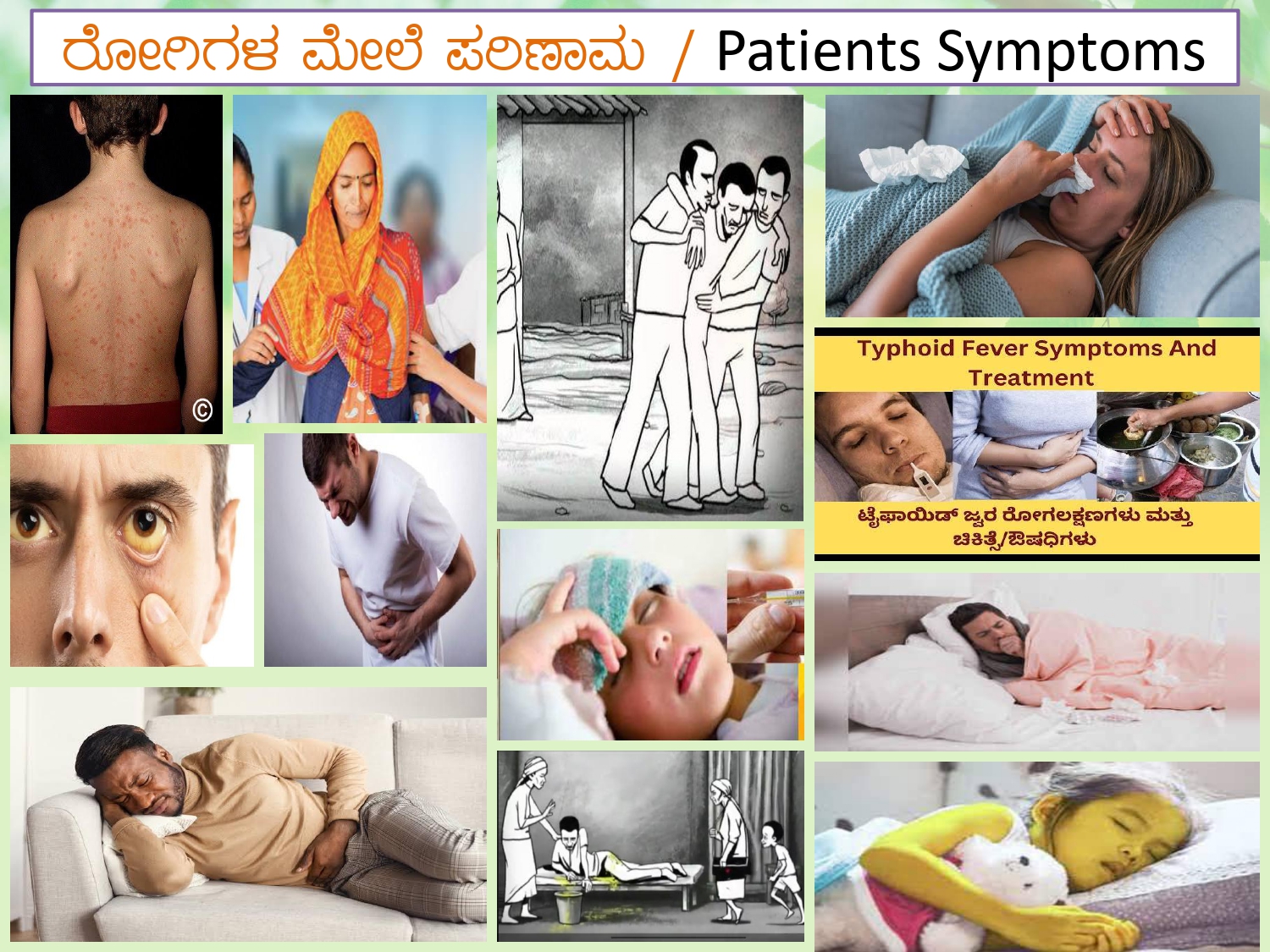
Recognizing signs like loss of appetite, abdominal pain, heartburn, gastric disturbances, and alternating constipation with diarrhea as indicators of poisoning.
Diagnostic Signs 2
Neurological Symptoms
Understanding headaches, migraines, back pain, joint pain, muscle stiffness, tremors, and general physical discomfort as potential signs of toxic conditions.
Diagnostic Signs 3
Systemic Indicators
Recognizing fever, vomiting, nausea, fatigue, dizziness, sleep disturbances, and mental exhaustion as systemic responses to poisoning.
Diagnostic Signs 4
Respiratory Signs
Identifying persistent cough, difficulty breathing, chest discomfort, and shortness of breath as respiratory manifestations of toxic conditions.
Diagnostic Signs 5
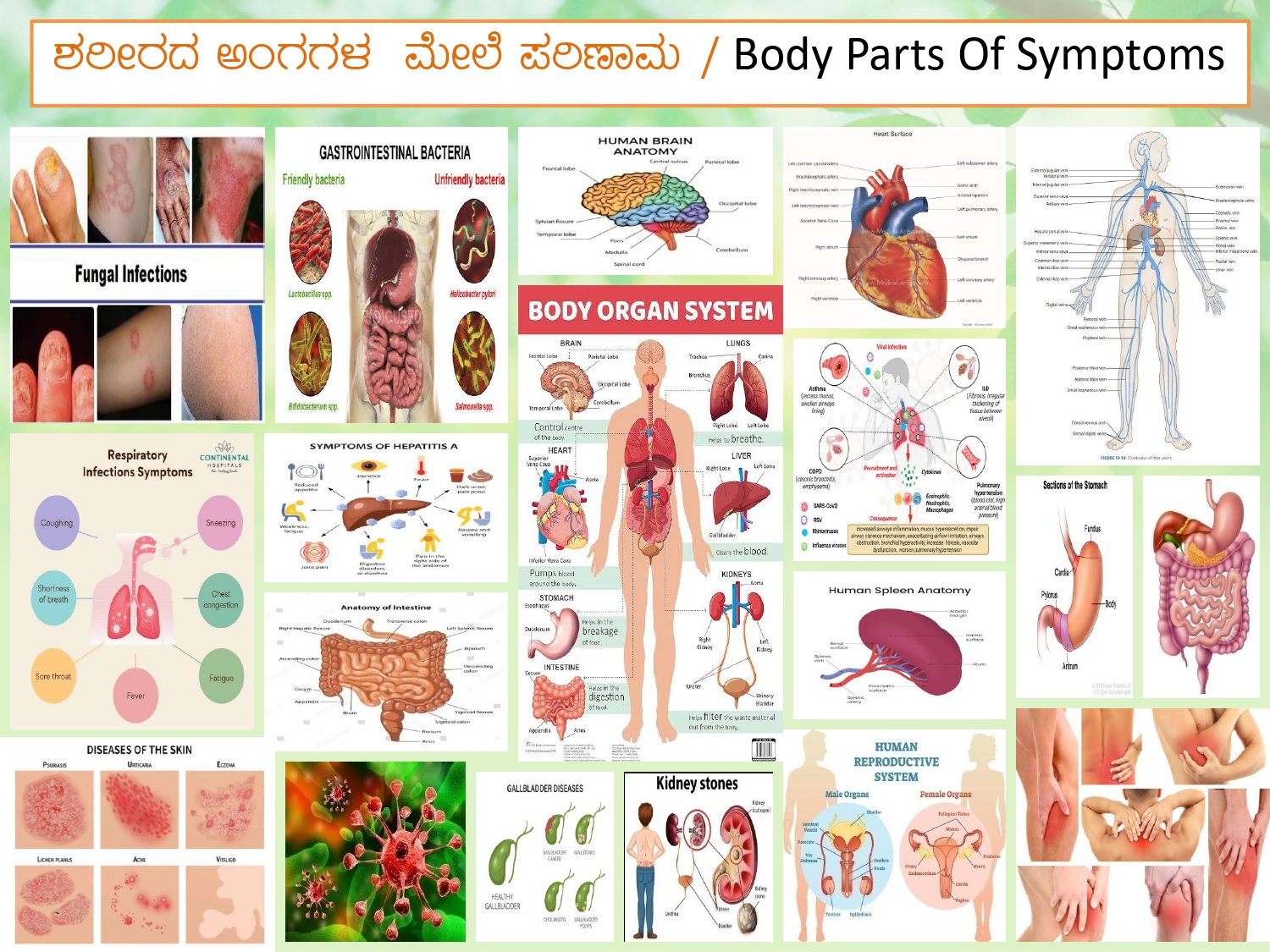
Skin and External Signs
Observing skin color changes, discoloration, infections, and external manifestations that may indicate underlying toxic conditions or complications.
Diagnostic Signs 6
Traditional Diagnostic Tests
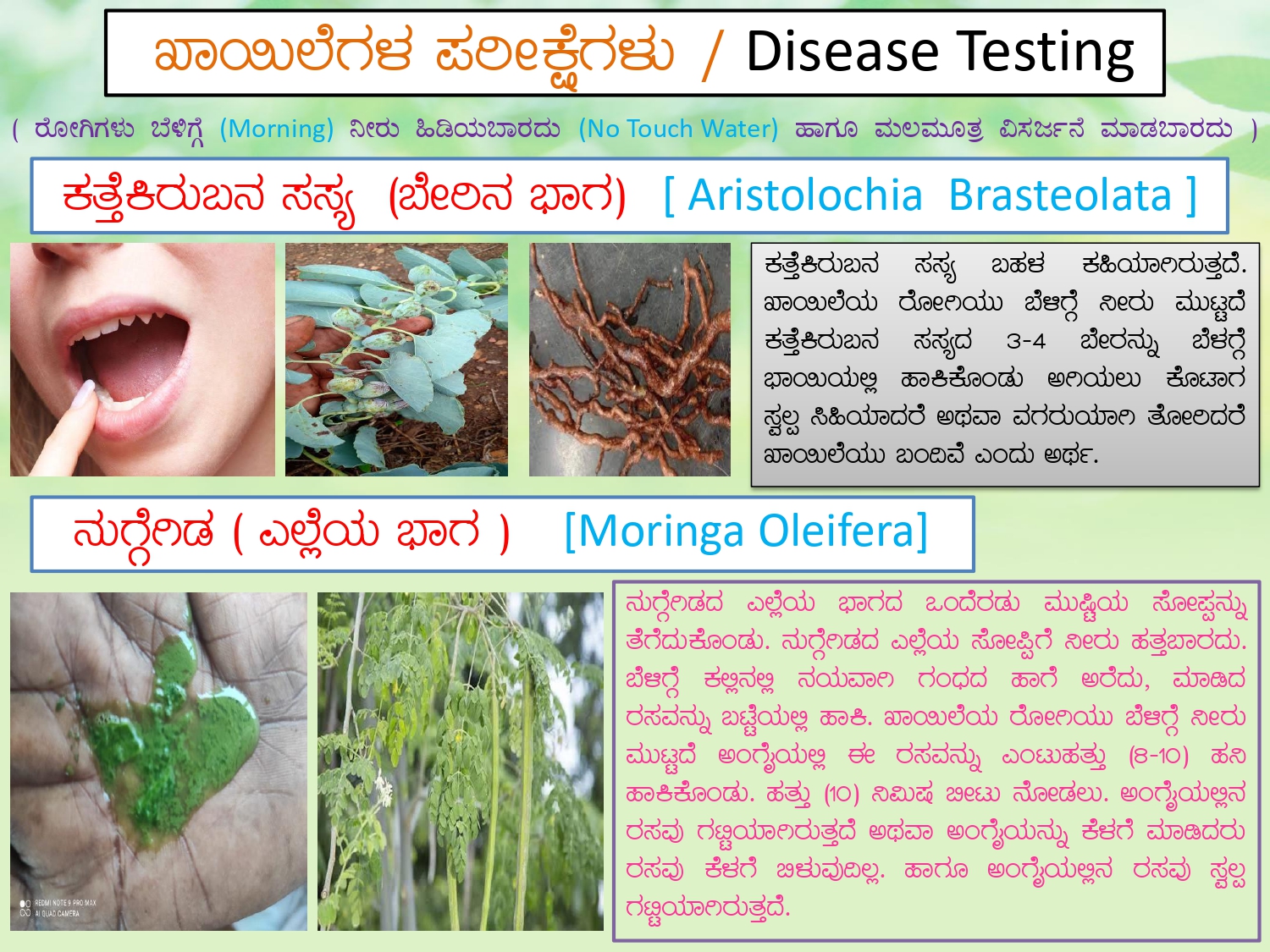
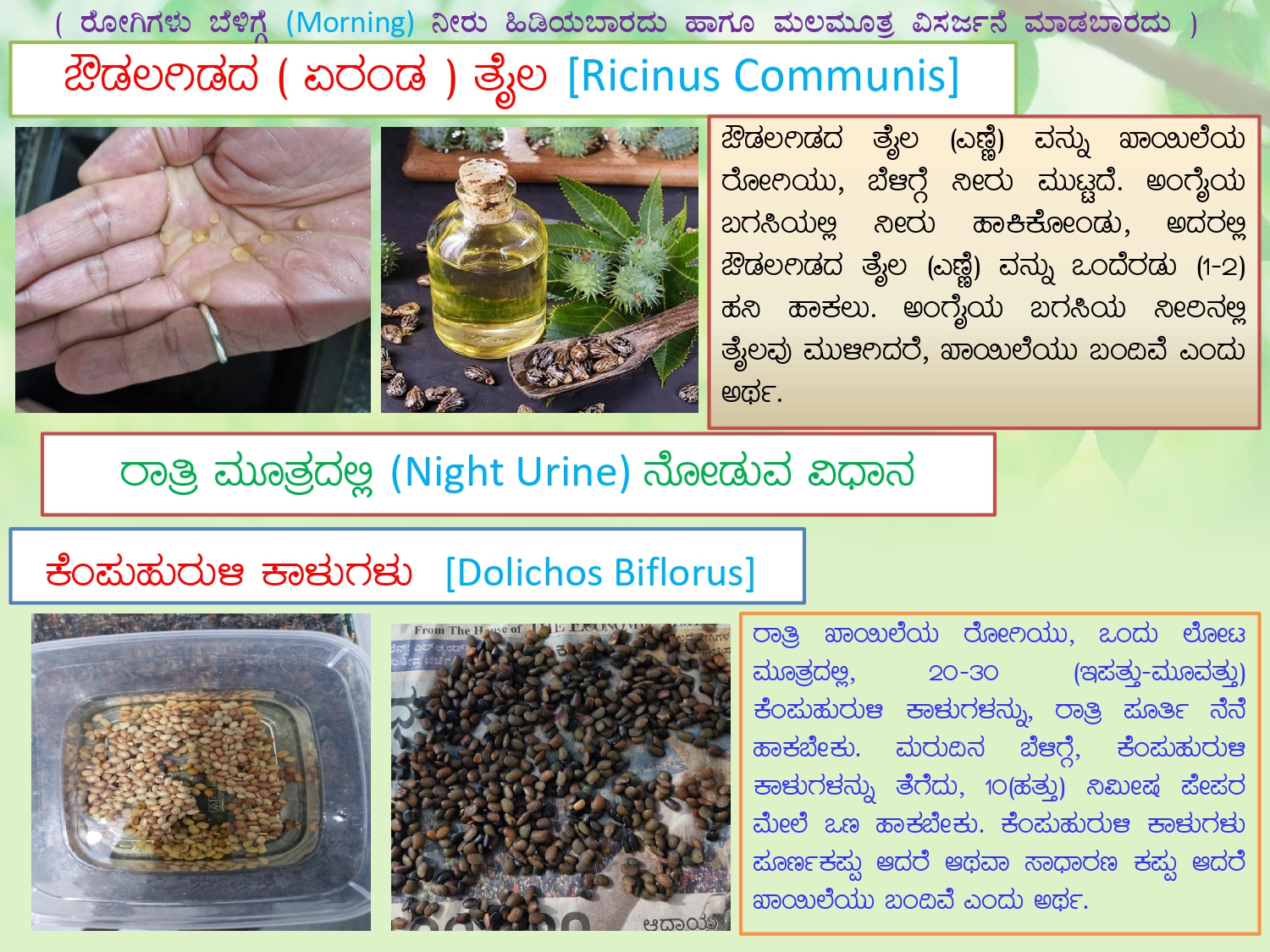
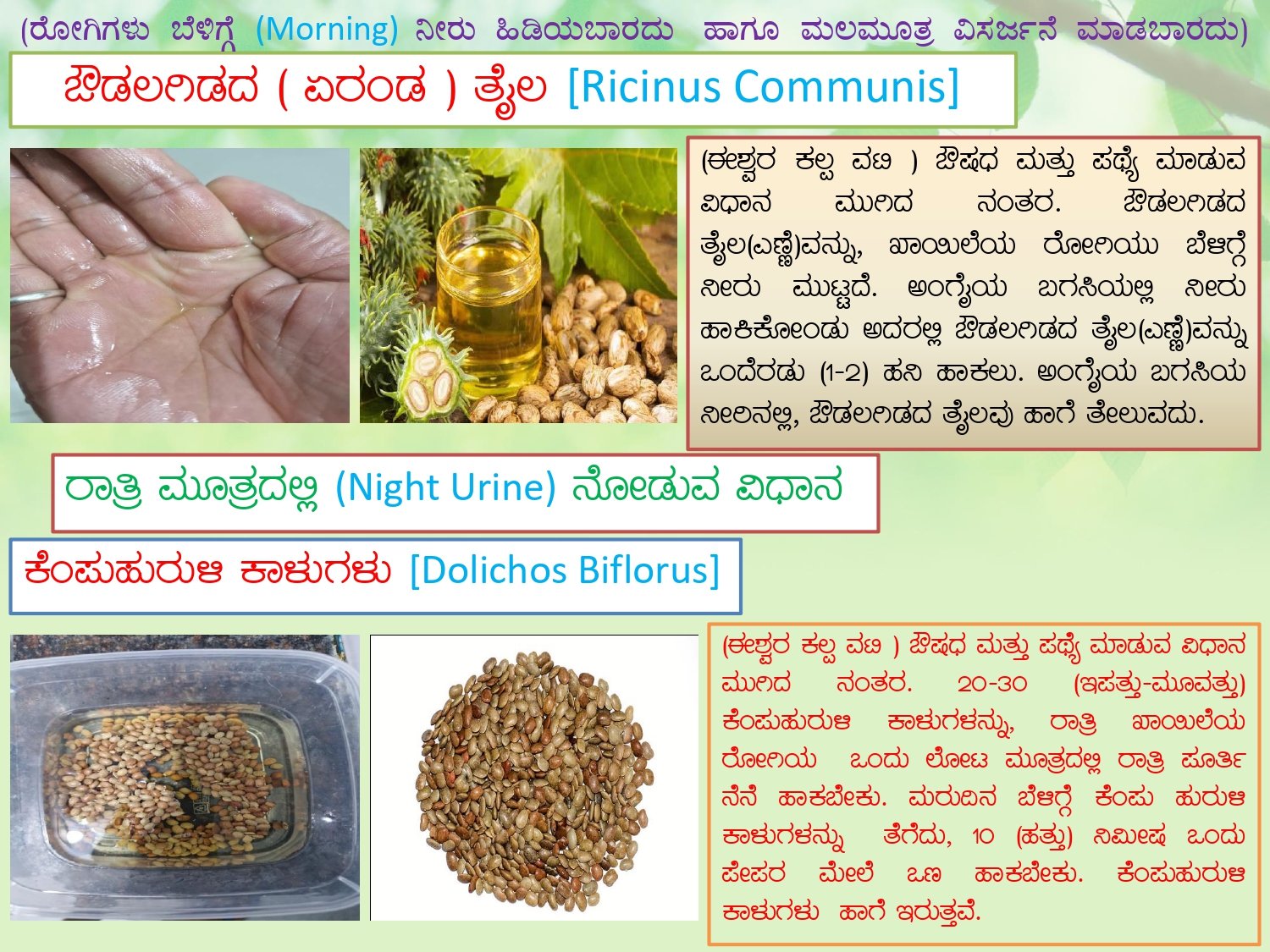
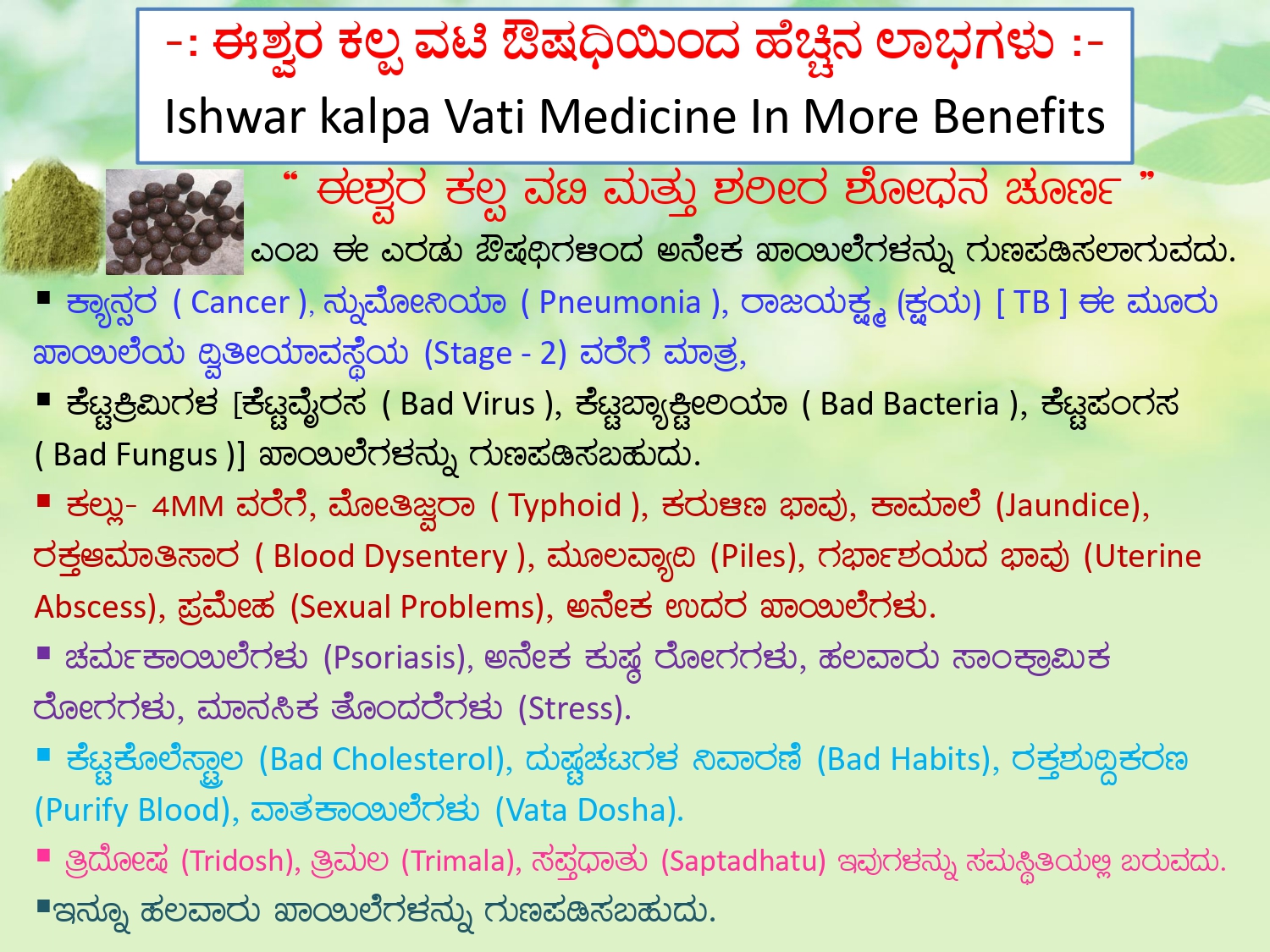
Understanding classical testing methods using Aristolochia, Moringa, Castor Oil, and Horsegram seeds to confirm poisoning conditions according to traditional protocols.
1 / 6

5. Treatment Principles

Understanding Shodhana and therapeutic approaches
Treatment Principles 1
Shodhana Fundamentals
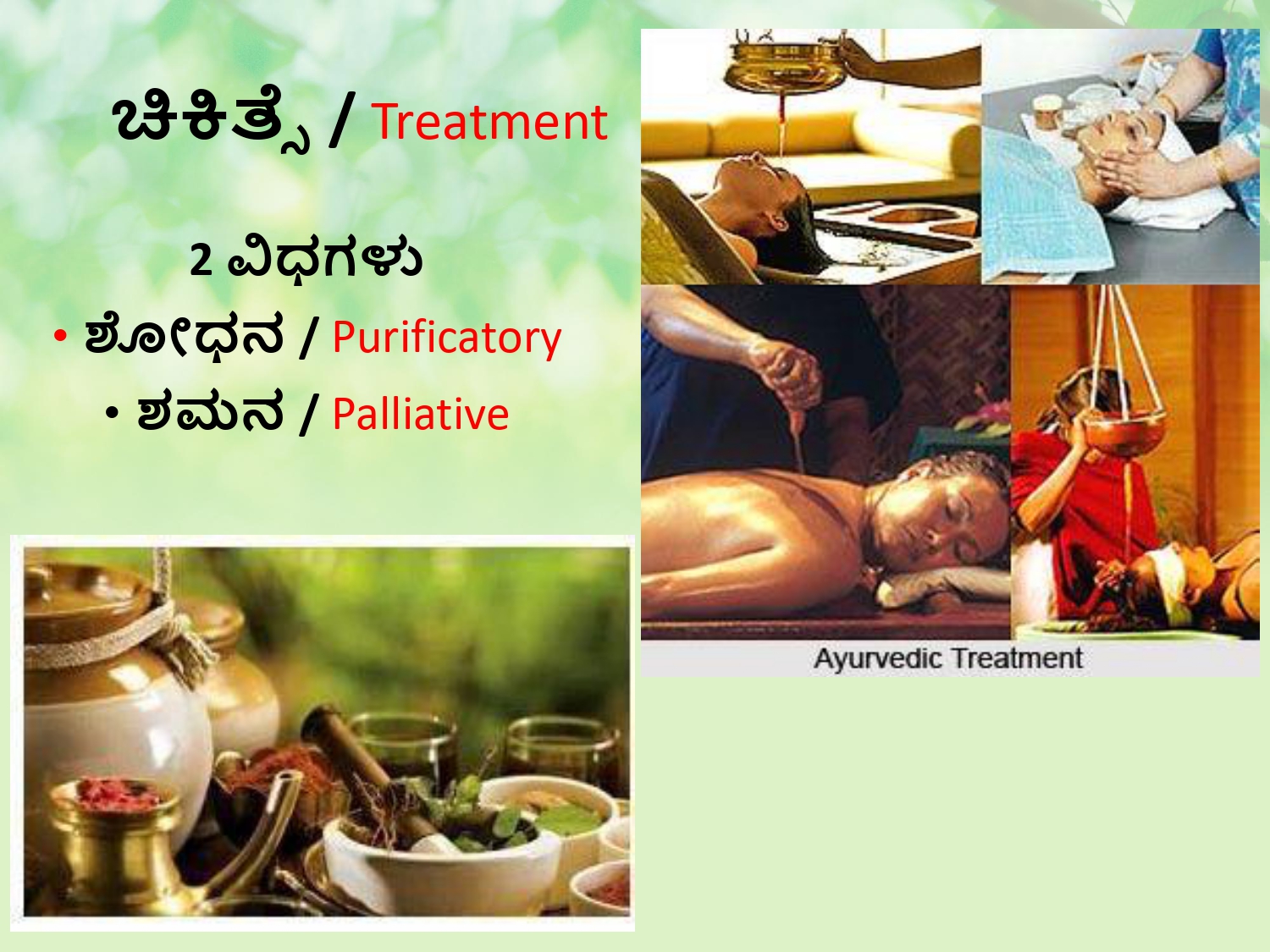
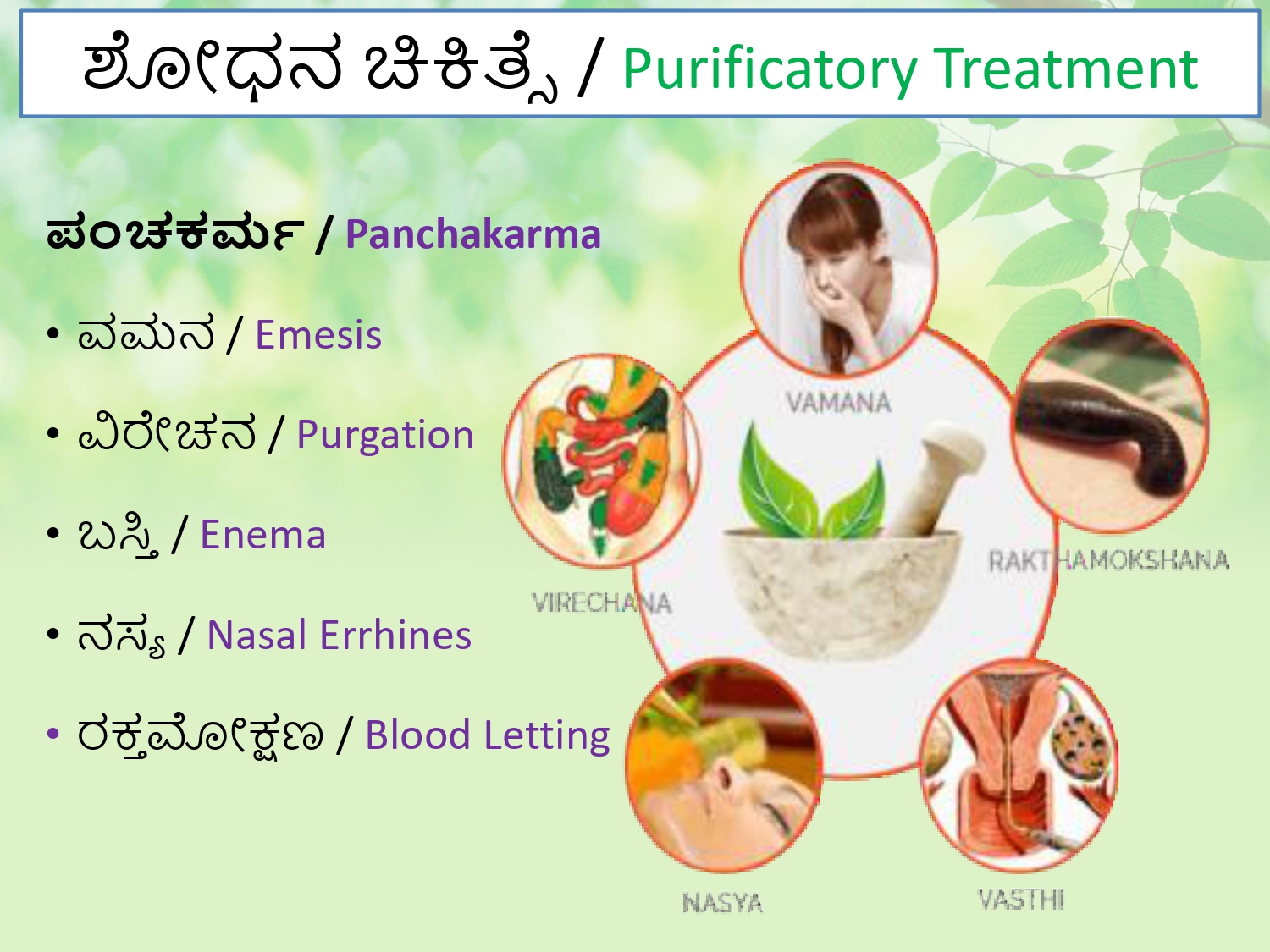
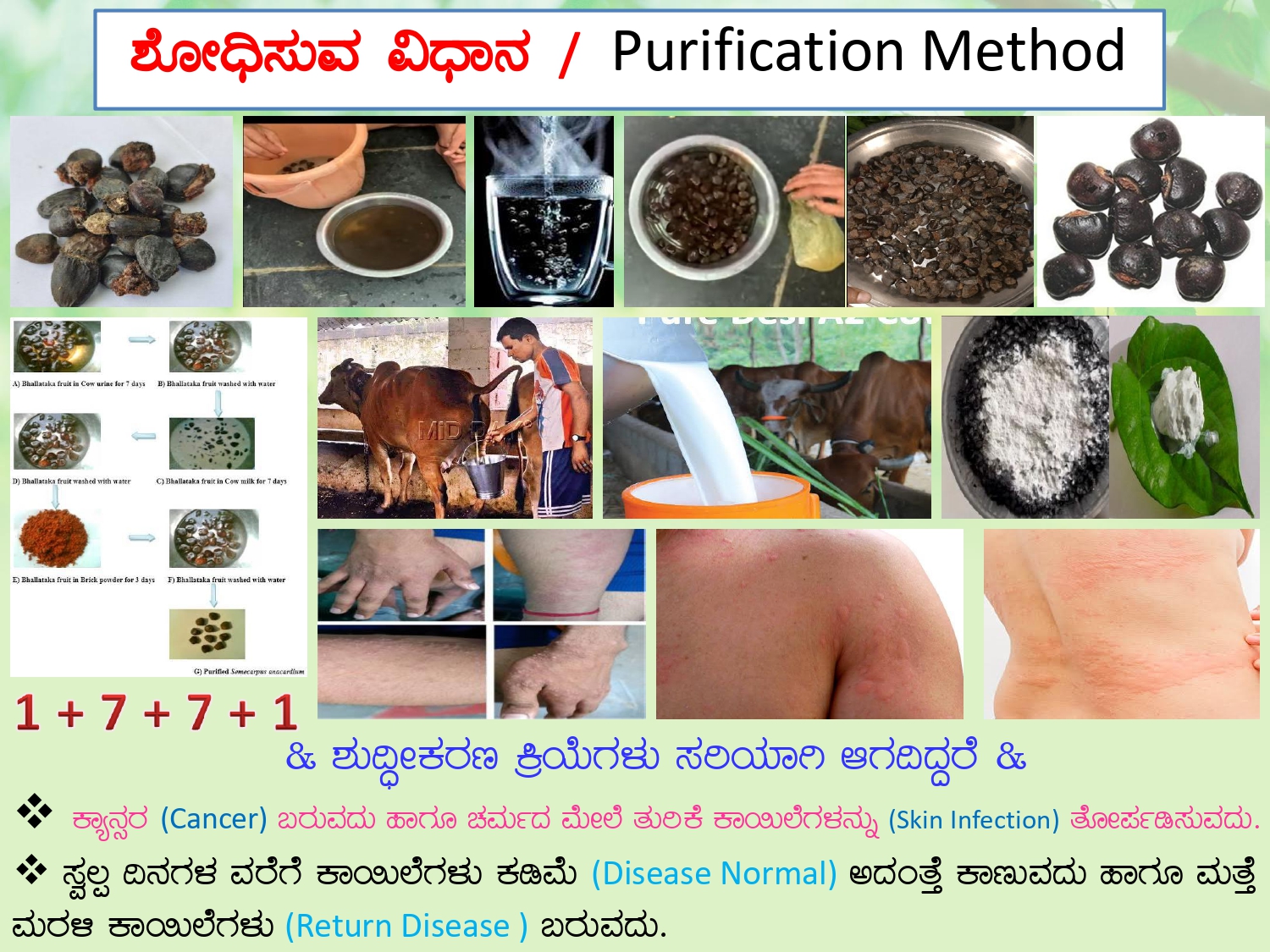
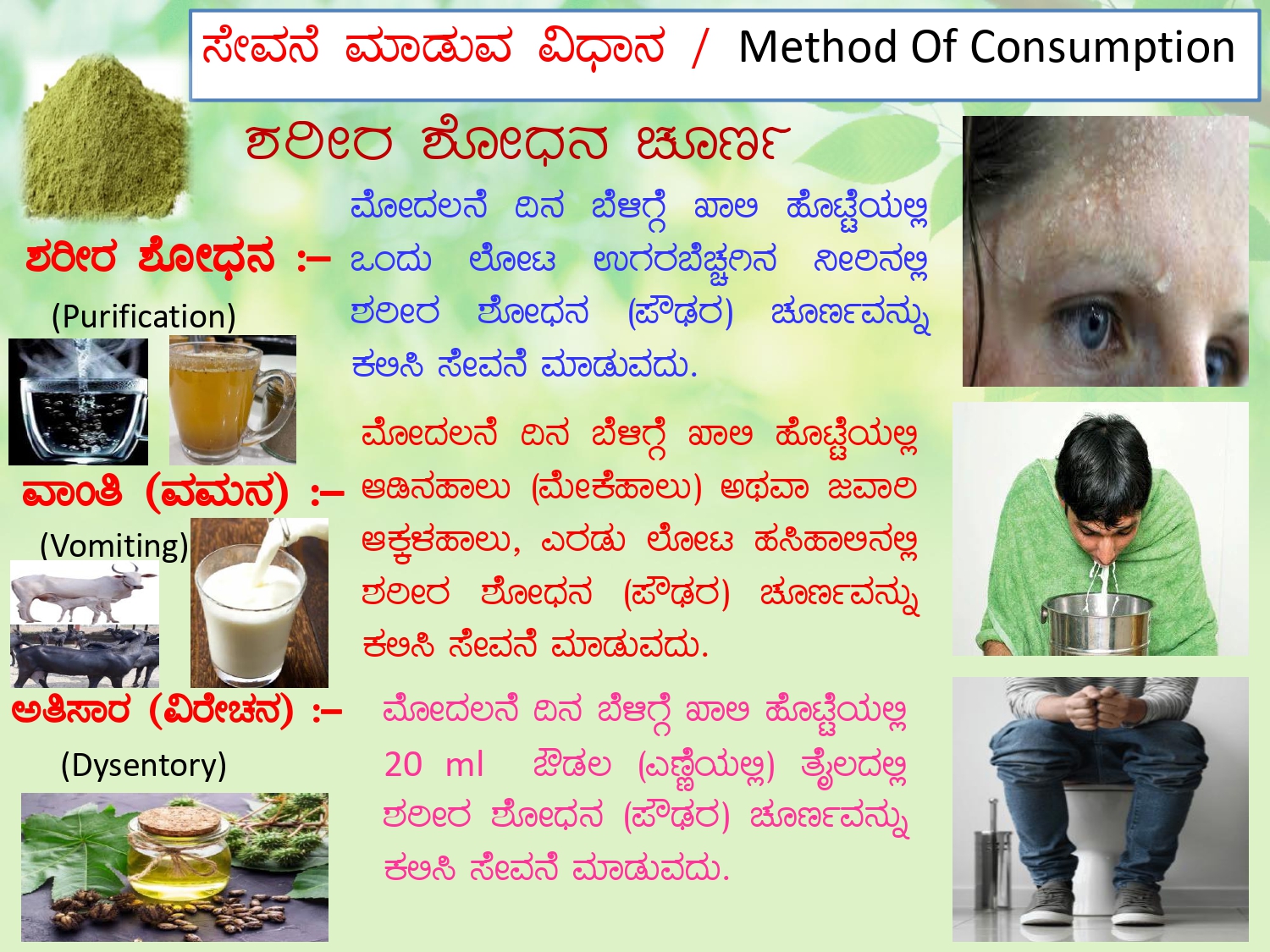
The principle of purification therapies designed to eliminate accumulated toxins (Ama) and restore balance to the body's systems (Doshas) in poisoning conditions.
Treatment Principles 2
Vamana Therapy
Therapeutic emesis for eliminating toxins through the upper digestive tract, one of the five classical Panchakarma therapies used in poisoning treatment.
Treatment Principles 3
Virechana Therapy
Therapeutic purgation for eliminating toxins through the lower digestive tract, supporting the body's natural cleansing processes in poisoning conditions.
Treatment Principles 4
Shuddhi Preparations
Purification decoctions and preparations that support the body's natural detoxification processes, administered as part of comprehensive treatment protocols.
Treatment Principles 5
Internal vs External Approaches
Understanding when to use internal treatments (oral medicines, Shodhana) versus external treatments (topical applications, skin care) in comprehensive management.
Treatment Principles 6
Individualized Treatment
The principle that treatment varies by individual constitution, type of poisoning, severity, and response, requiring qualified practitioner assessment and personalized protocols.
1 / 6

6. Classical Formulations

Traditional medicinal preparations and their applications
Classical Formulations 1
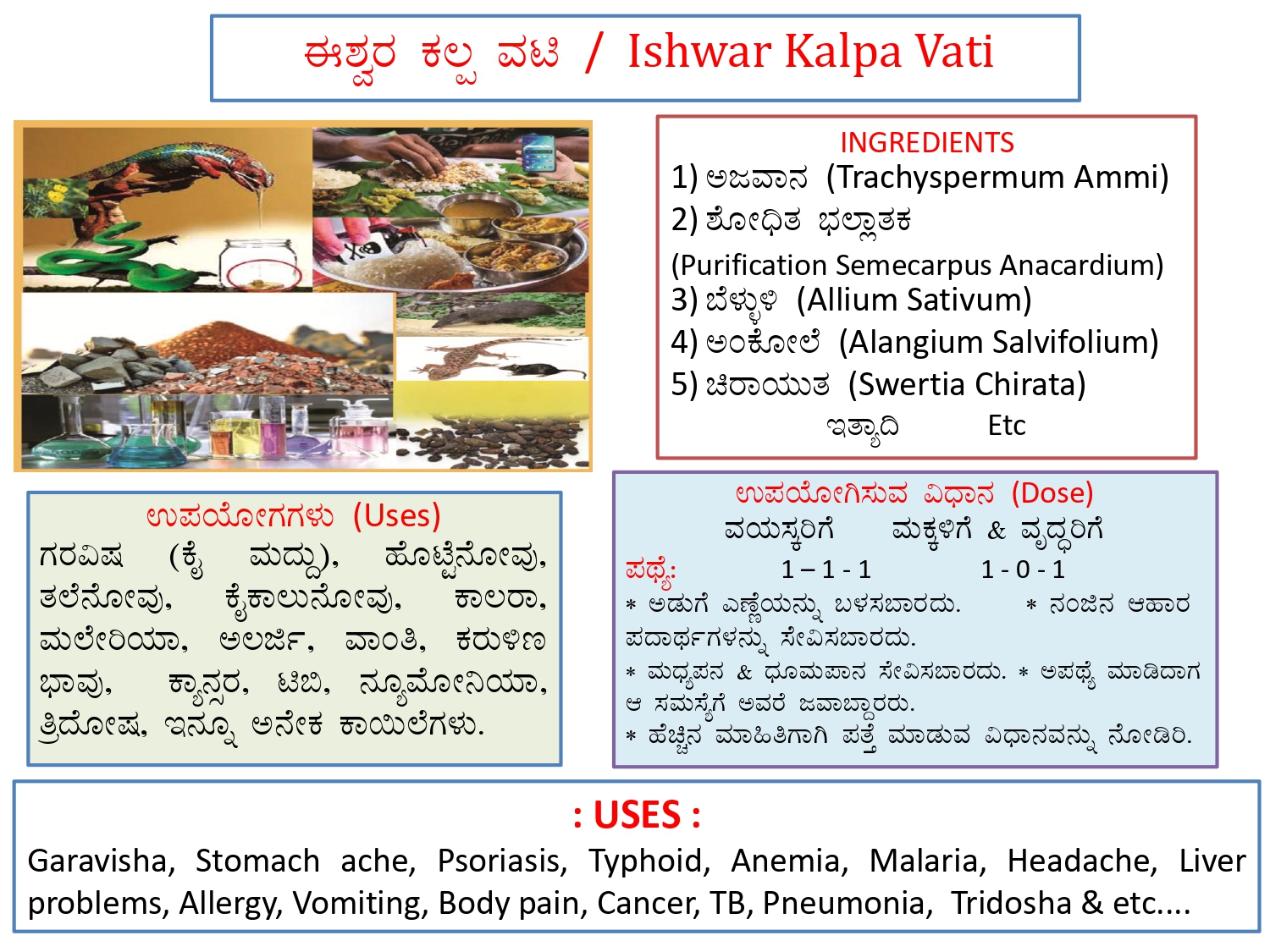
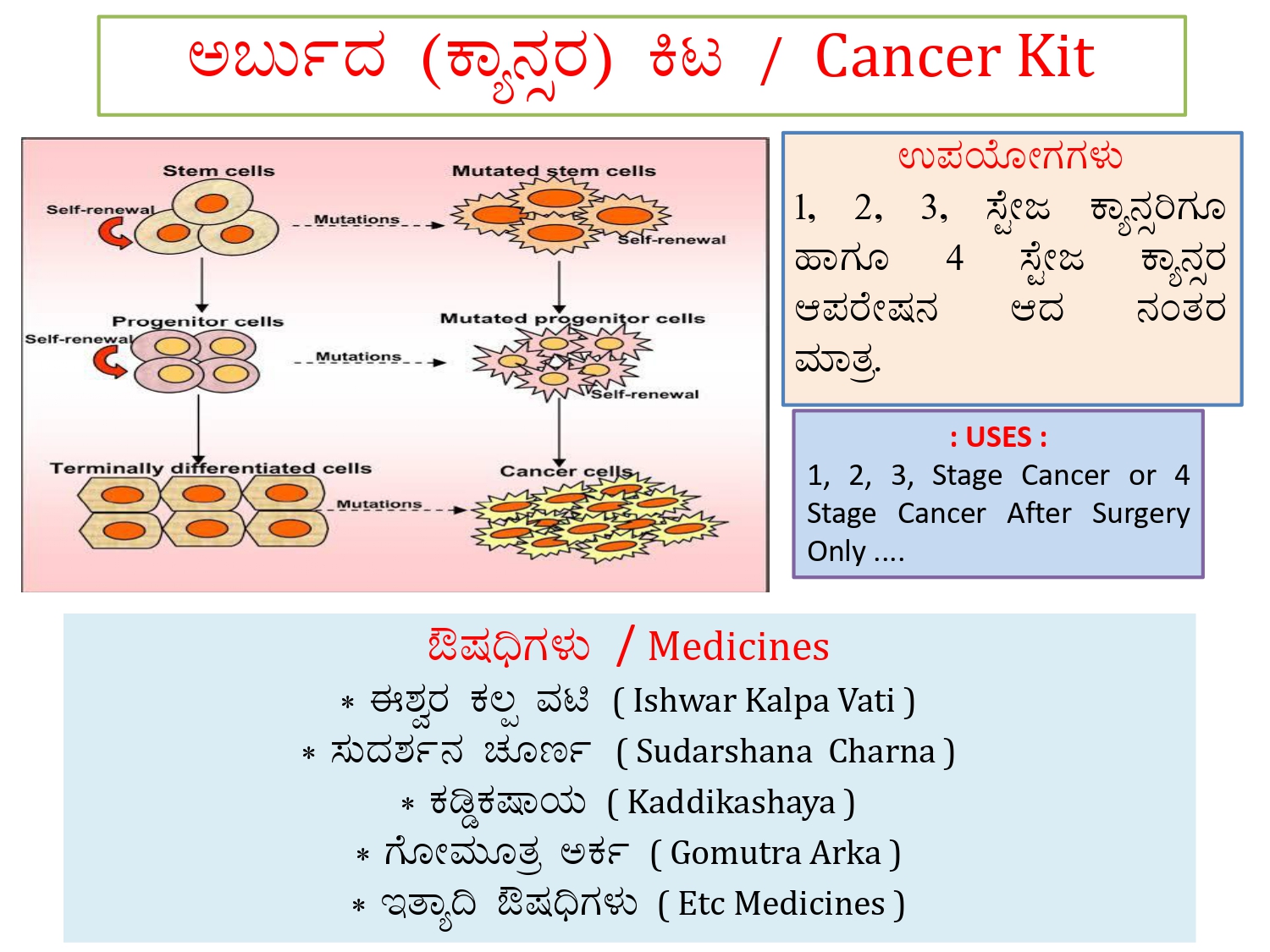
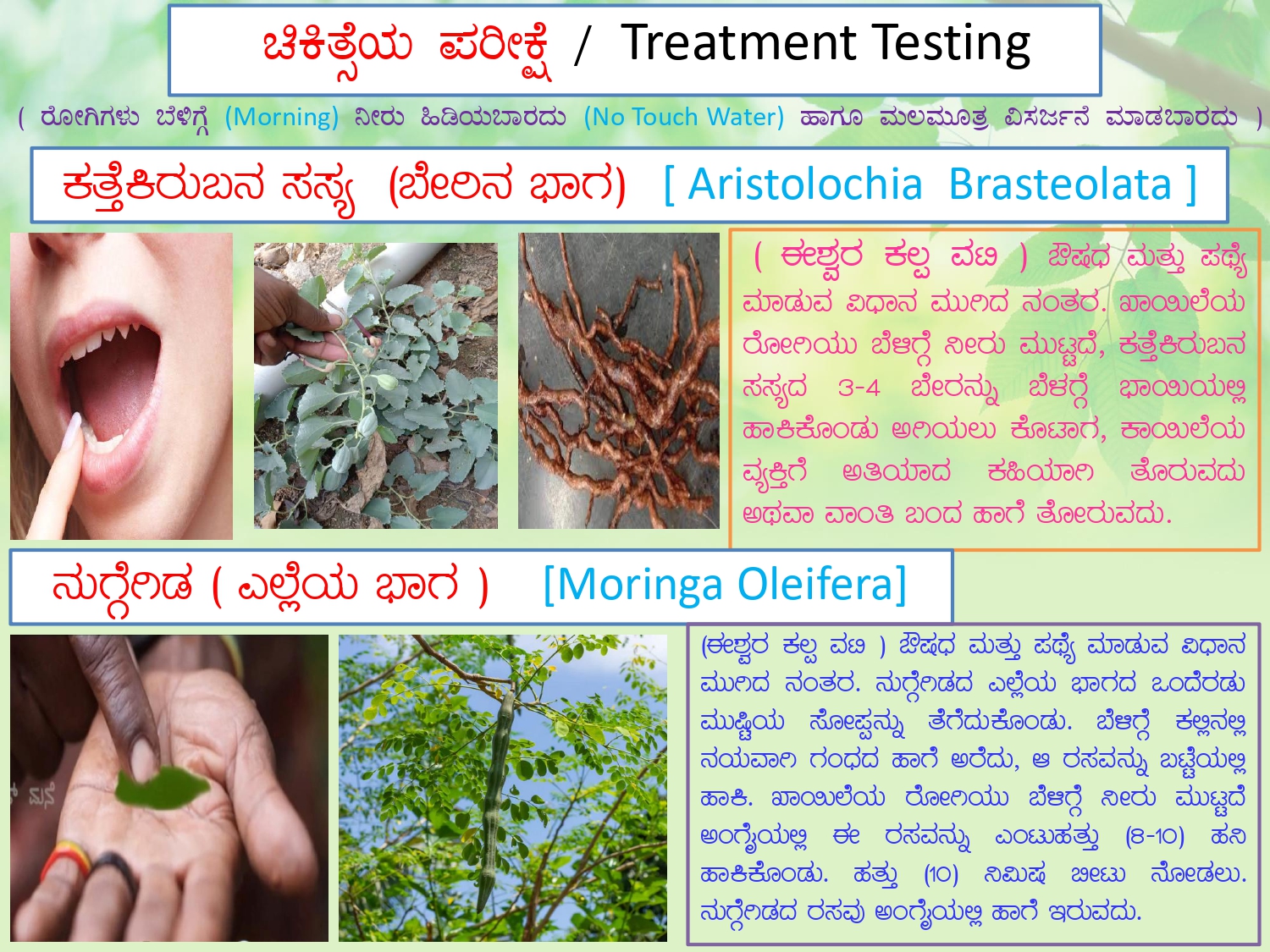
Ishwar Kalpa Vati
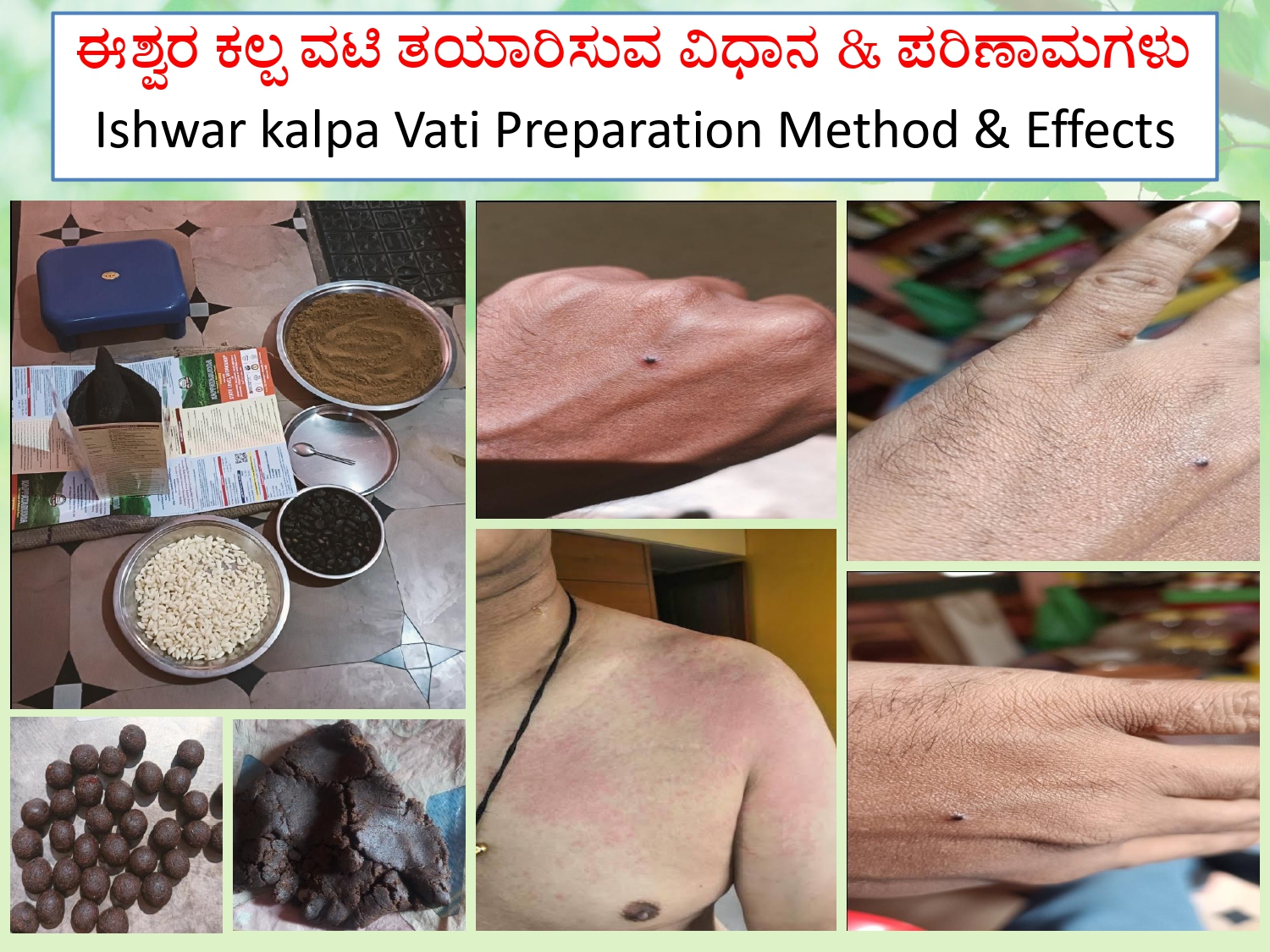
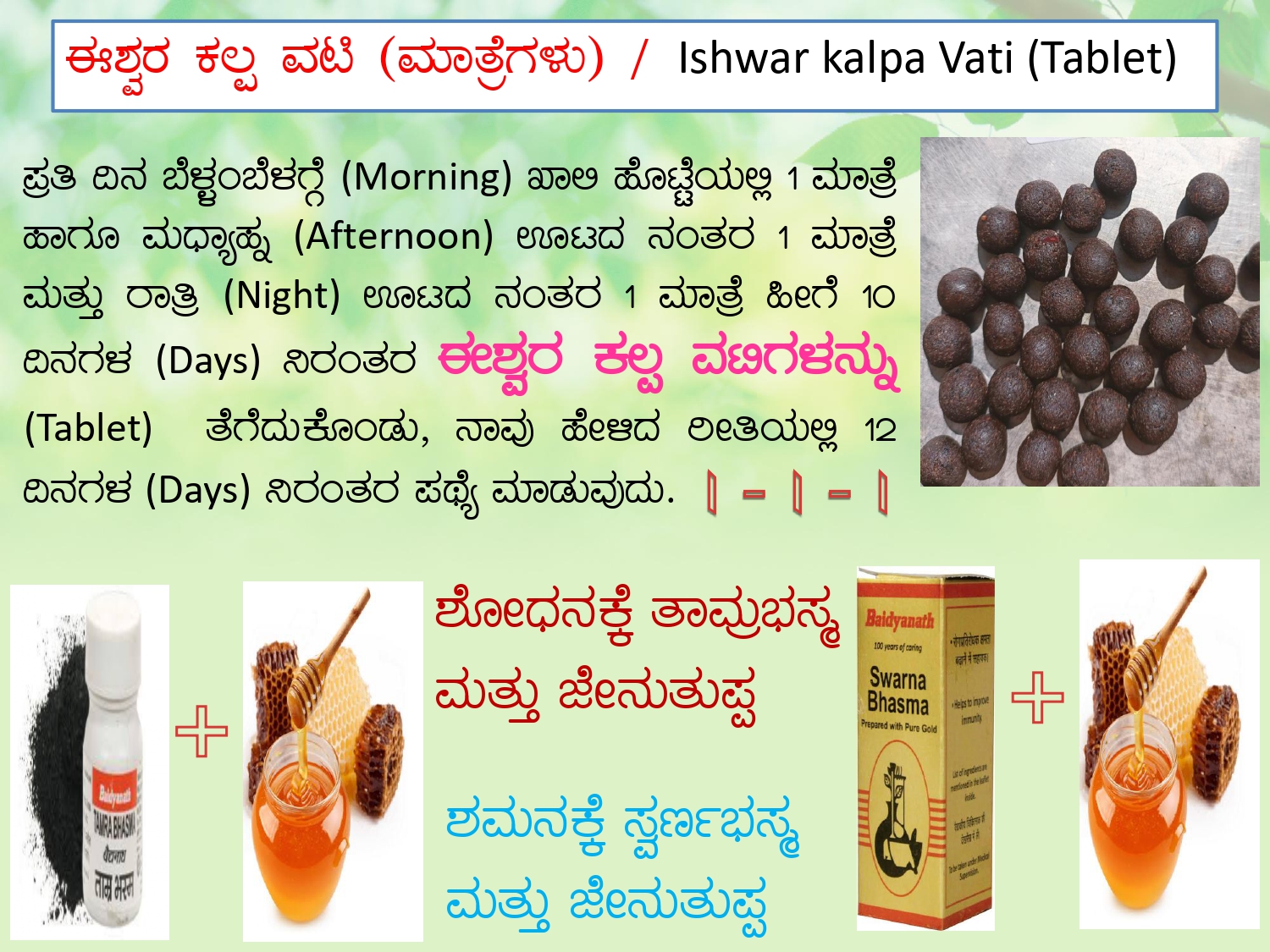
The famous classical Ayurvedic tablet preparation mentioned in traditional texts for treating poisoning conditions, used in comprehensive treatment protocols.
Classical Formulations 2
Preparation Methods
Traditional methods for preparing medicines including powders, pastes, decoctions, and tablet formulations according to classical protocols.
Classical Formulations 3
Herbal Combinations
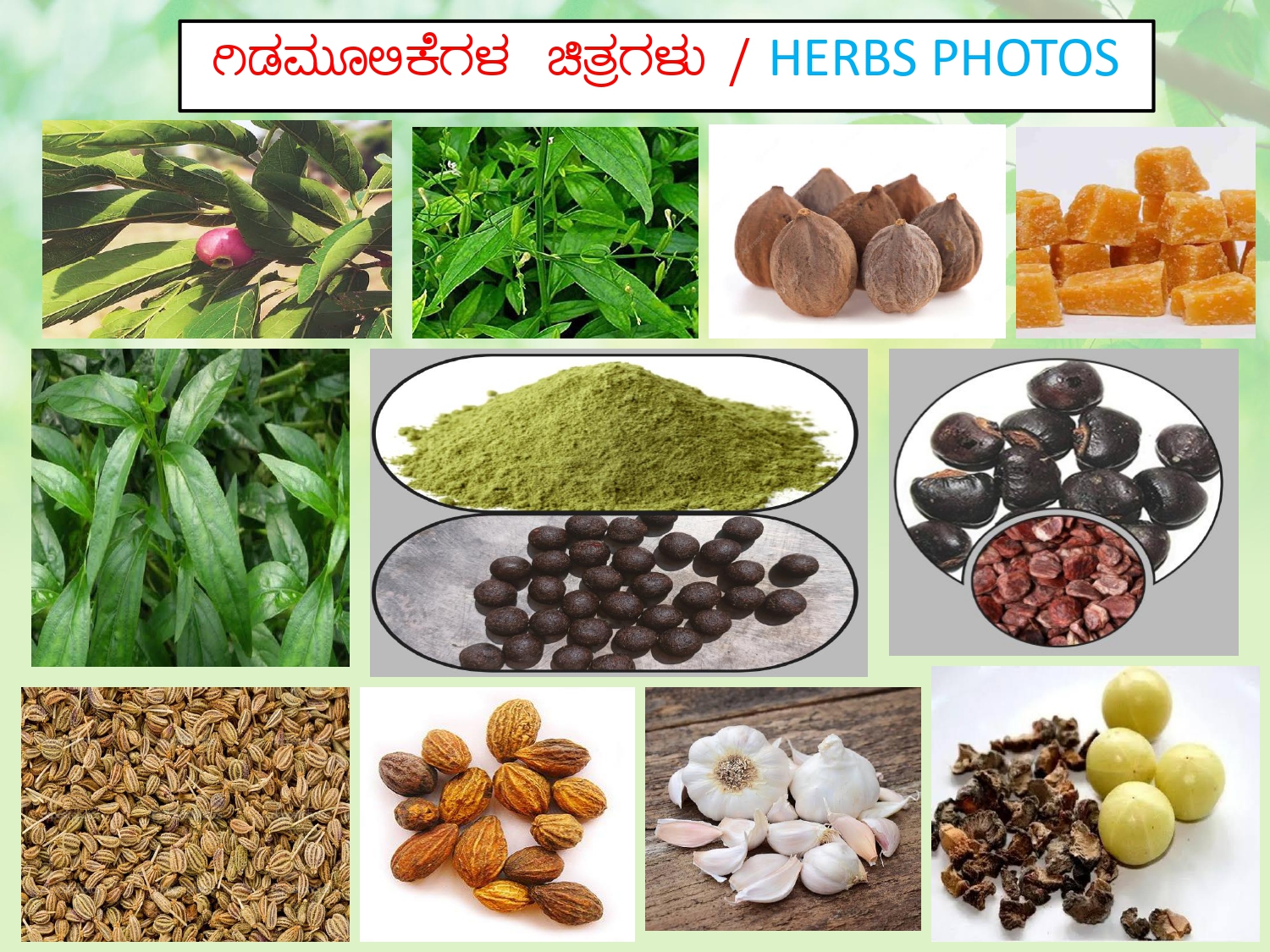
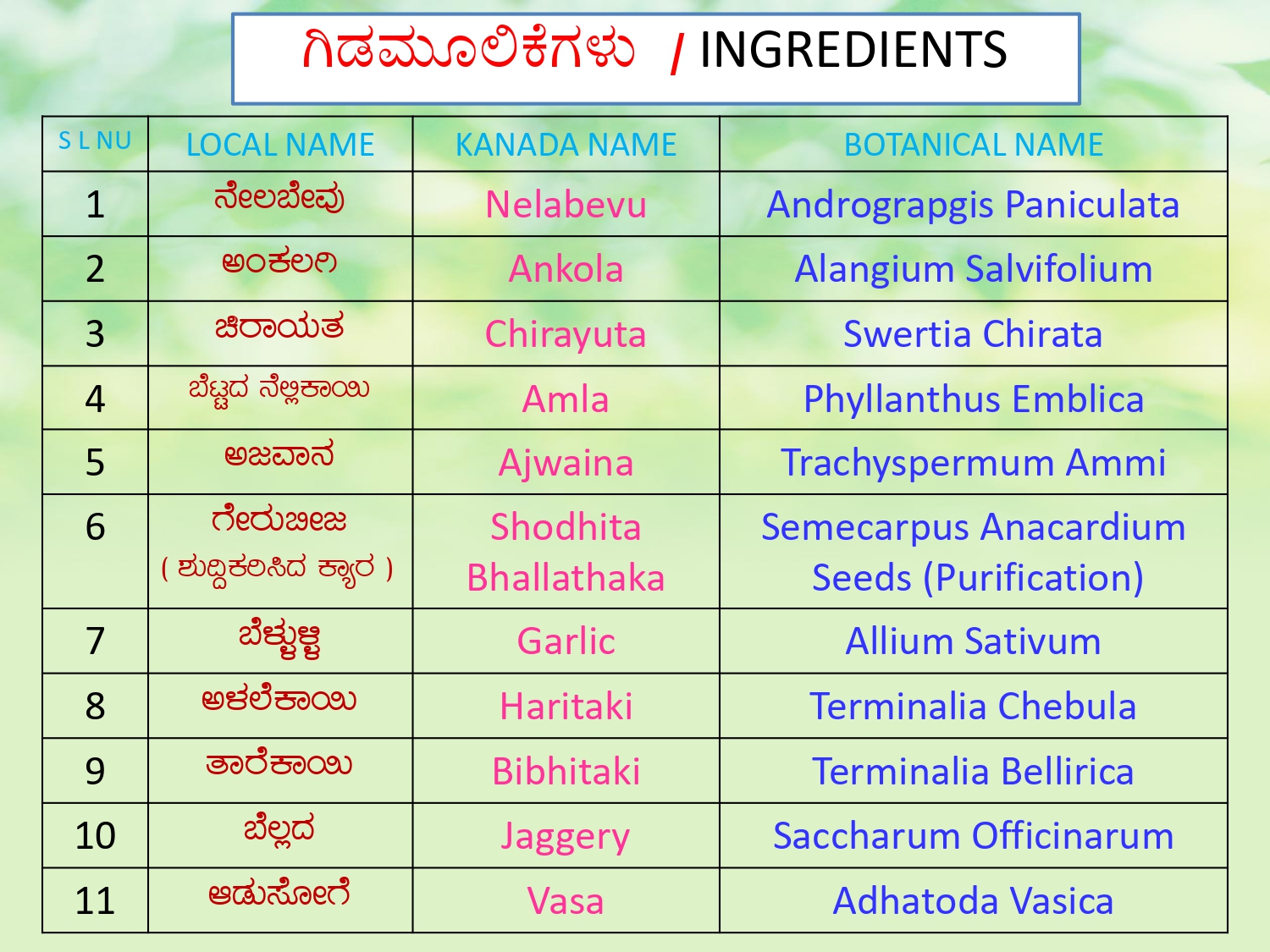
Understanding how specific herbs are combined in traditional formulations to create synergistic effects for treating various types of poisoning.
Classical Formulations 4
Dosage Protocols
Traditional approaches to medication cycles, including active treatment periods and rest periods, respecting the body's natural rhythms and response patterns.
Classical Formulations 5
Storage and Preservation
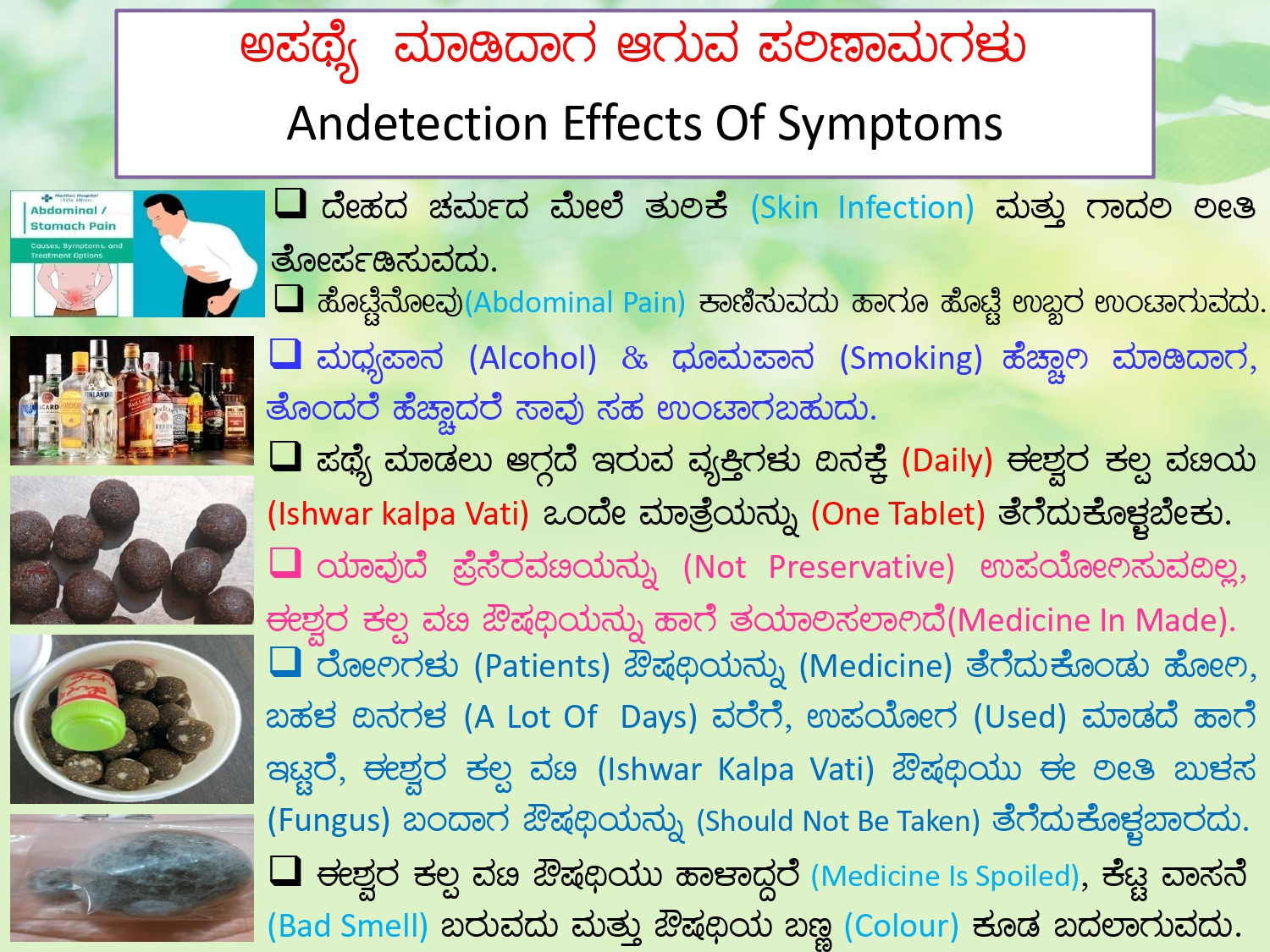
Proper methods for storing traditional medicines in cool, dry conditions, and recognizing signs of spoilage to ensure safety and effectiveness.
Classical Formulations 6
Integration with Therapies
How classical formulations work in conjunction with Shodhana therapies and dietary modifications to create comprehensive treatment approaches.
1 / 6

7. Emergency vs Chronic Conditions

Understanding acute and chronic presentations and their management

Emergency vs Chronic 1
Acute Poisoning
Rapid-onset conditions requiring immediate attention, where symptoms appear within hours and may be addressed more quickly with appropriate intervention.
Emergency vs Chronic 2
Chronic Poisoning
Gradual development over days or weeks, requiring longer-term management with extended treatment protocols and careful monitoring of progress.
Emergency vs Chronic 3
Stage 2 Severe Cases
Advanced complications including cancer, pneumonia, tuberculosis, and severe infections that develop when poisoning conditions progress untreated.
Emergency vs Chronic 4
Moderate to Severe Conditions
4mm+ classification diseases including typhoid, jaundice, blood dysentery, piles, uterine infections, and other systemic complications.
Emergency vs Chronic 5
Pathogenic Organisms
Understanding how viruses, bacteria, and fungi can develop as complications, requiring complete elimination for permanent resolution of disease.
Emergency vs Chronic 6
Treatment Priorities
How treatment approaches differ for acute versus chronic cases, and the importance of early intervention to prevent progression to severe stages.
1 / 6

8. Preventive Knowledge

Understanding prevention, dietary guidelines, and lifestyle practices
Preventive Knowledge 1
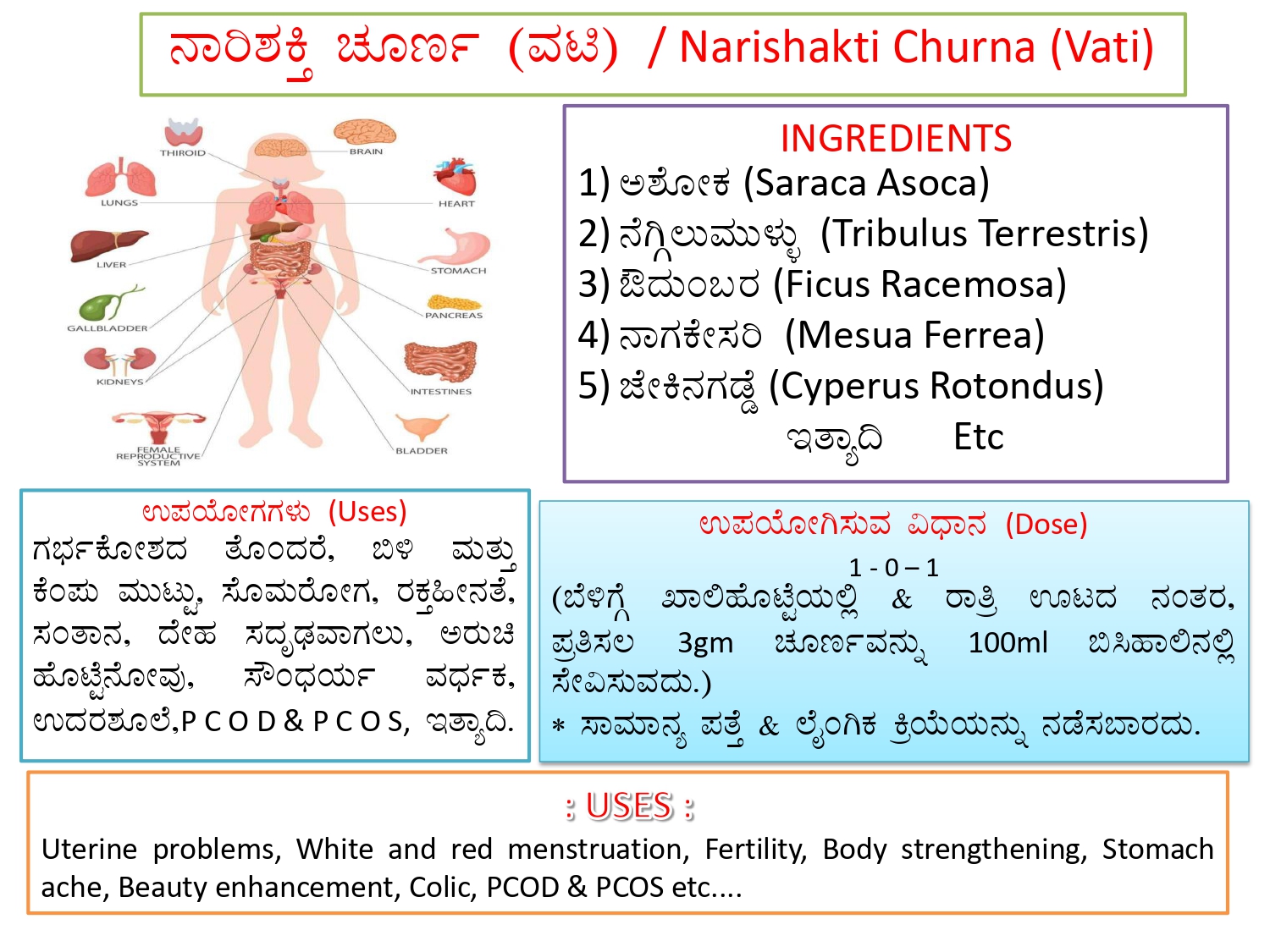
Pathya - Permitted Foods
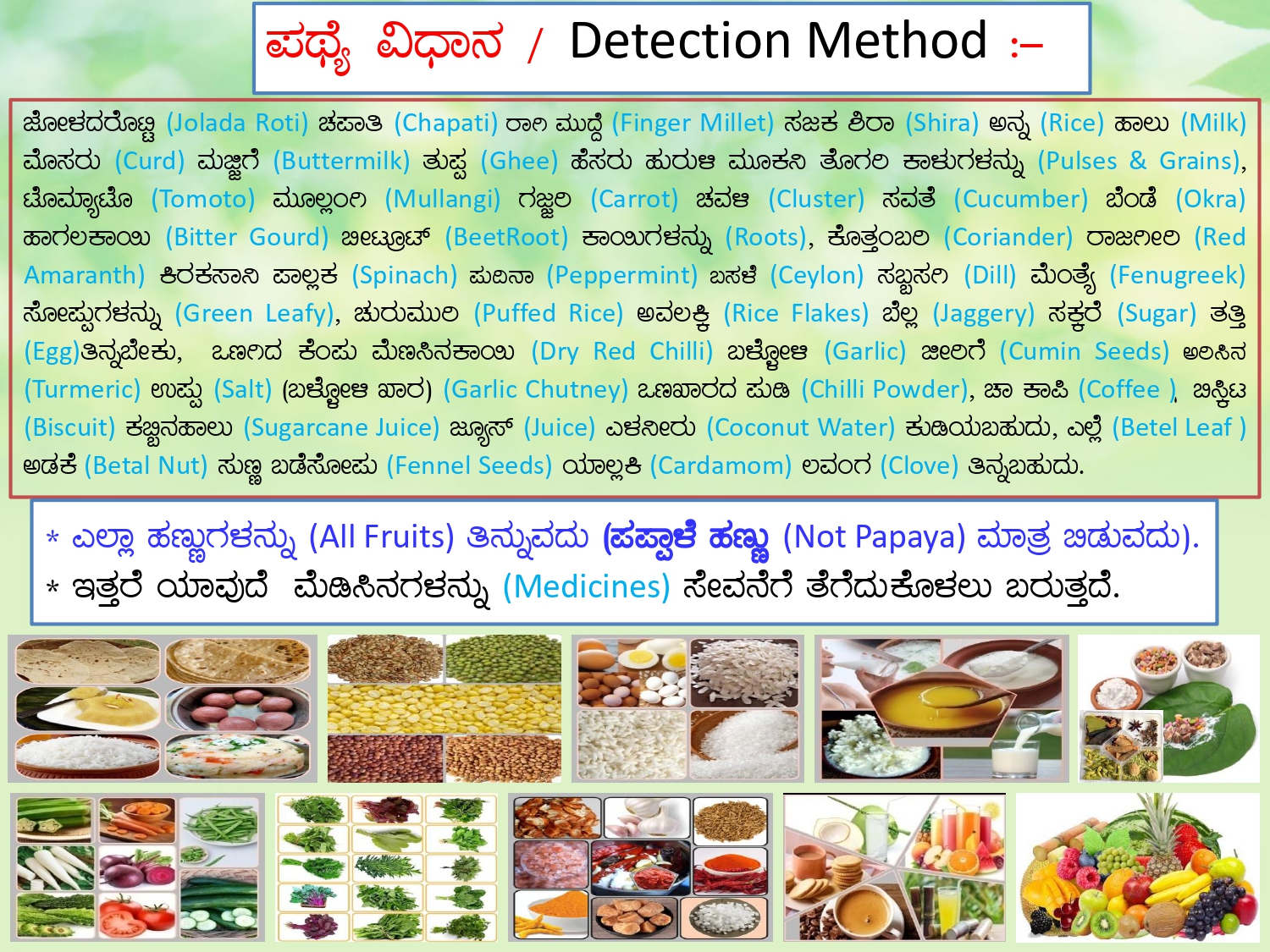
Understanding foods that support healing and maintain digestive fire (Agni), including grains, vegetables, fruits, and dairy products that are beneficial during treatment.
Preventive Knowledge 2
Apathya - Prohibited Foods
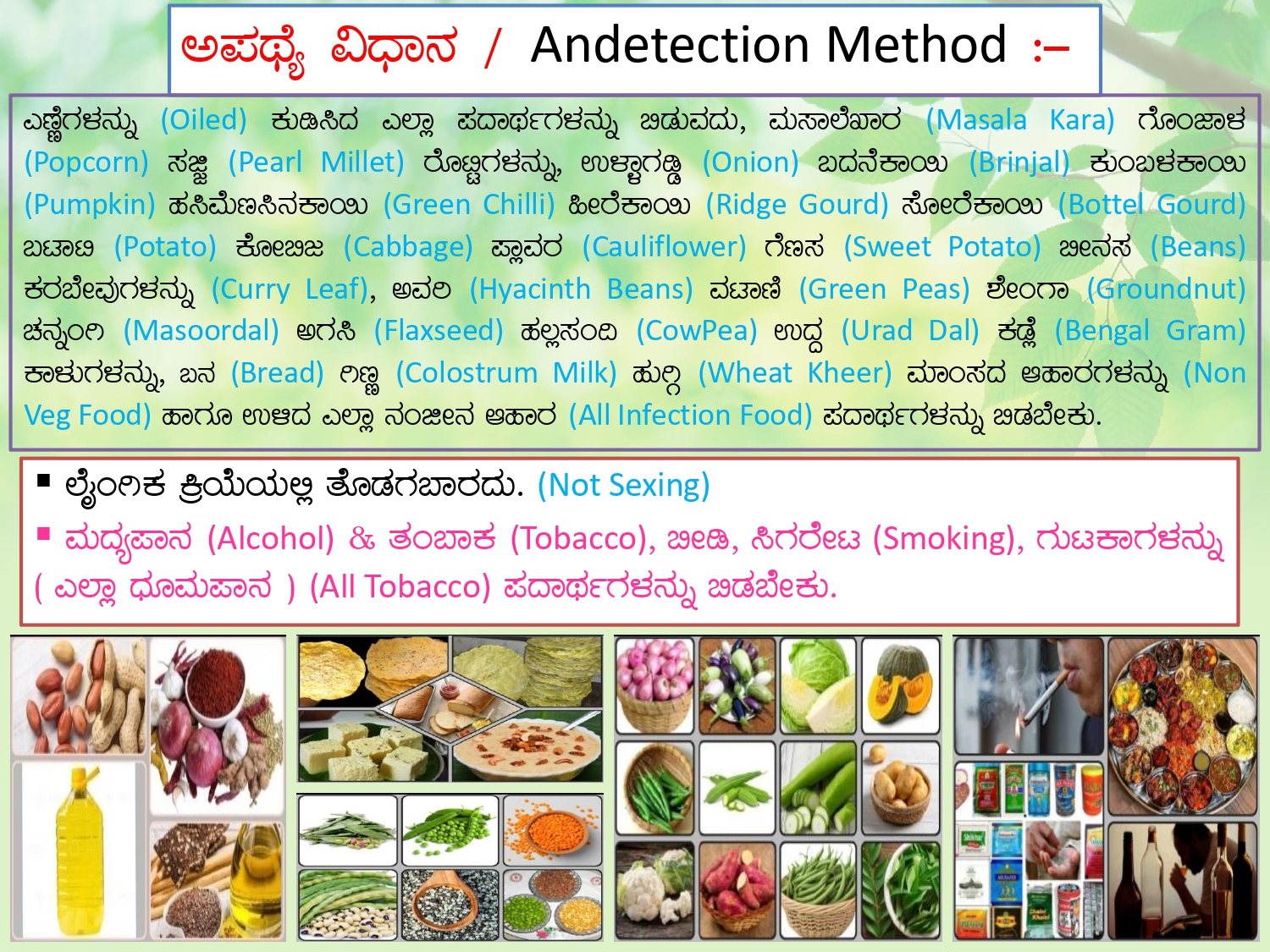
Foods to avoid including fried items, incompatible combinations, certain vegetables, non-vegetarian foods, and substances that weaken Agni or interfere with treatment.
Preventive Knowledge 3
Incompatible Food Combinations
Understanding Viruddahara - how certain food pairs like fish+milk, milk+yogurt, honey+ghee create toxic compounds and should be avoided.
Preventive Knowledge 4
Lifestyle Restrictions
The importance of avoiding alcohol, tobacco, and certain activities during treatment, and how these restrictions support healing and prevent complications.
Preventive Knowledge 5
Digestive Fire (Agni)
Maintaining strong Agni through proper food choices, meal timing, and avoiding foods that weaken digestive capacity, essential for treatment success.
Preventive Knowledge 6
Seasonal Awareness
Understanding how seasonal factors affect dietary needs and how to adapt food choices within treatment guidelines to support natural body rhythms.
Preventive Knowledge 7
Environmental Factors
Recognizing how polluted environments, contaminated food sources, and exposure to decomposed matter can contribute to Dushivisha conditions.
Preventive Knowledge 8
Early Recognition
The importance of recognizing early symptoms and seeking appropriate care, as early intervention leads to better outcomes and prevents progression to severe stages.
Preventive Knowledge 9
Long-term Prevention
Strategies for maintaining health after treatment, including continued dietary awareness, lifestyle practices, and understanding of preventive principles.
Preventive Knowledge 10
Holistic Approach
Integrating dietary guidelines, lifestyle modifications, treatment protocols, and preventive knowledge into a comprehensive approach to health and wellness.
1 / 10

Learning Summary

This visual journey through 52 educational images has covered the comprehensive scope of Ayurvedic toxicology (Agada Tantra), from foundational principles to preventive knowledge. Each group represents a key area of understanding in traditional practice.

Remember: This is educational content for understanding traditional knowledge. For medical treatment or health concerns, please consult qualified healthcare practitioners.